

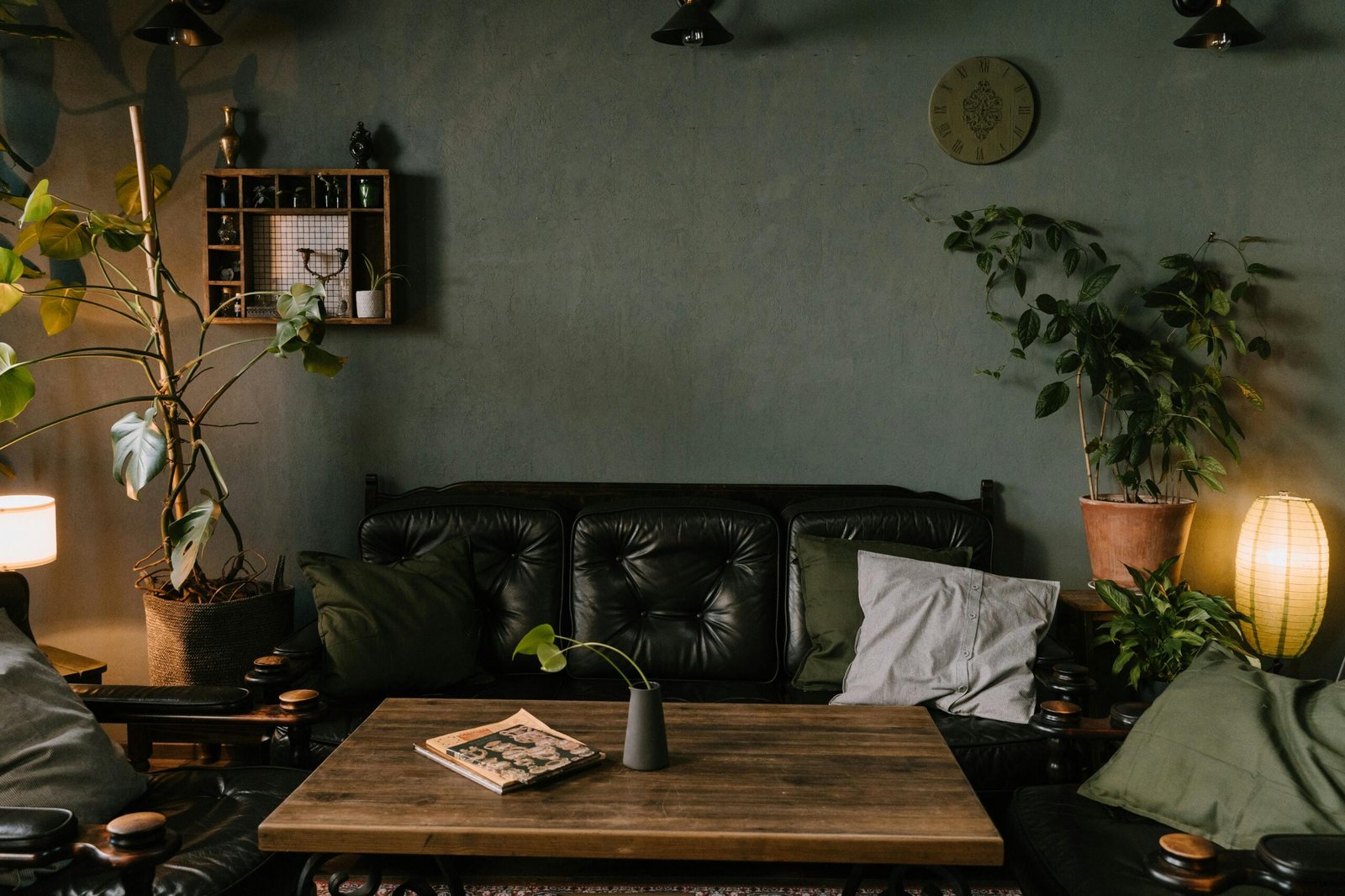
Biophilic design home interior is transforming how we think about living spaces, offering both style and measurable benefits to well-being, productivity, and indoor air quality. Whether you’re looking to upgrade your space with greenery or natural materials, biophilic principles are making modern homes healthier and more pleasant to live in.
Key Takeaways
- Biophilic design elements like natural light and indoor plants lower stress, boost mood, and improve air quality according to multiple 2024 studies.
- You don’t need a huge budget—simple changes like houseplants, FSC-certified wood, and maximizing natural light make a big difference.
- Choosing the right materials and strategic placement is crucial; improper selection or poor lighting may undermine your efforts.
- What Is Biophilic Design Home Interior and Why Does It Matter?
- How to Achieve Biophilic Design Home Interior: A Step-by-Step Guide
- Advanced Analysis & Common Pitfalls
- Conclusion
- Frequently Asked Questions
What Is Biophilic Design Home Interior and Why Does It Matter?
Biophilic design home interior is the practice of intentionally weaving nature into the fabric of your home by introducing daylight, live plants, natural textures, and earthy tones. In 2024, this trend goes far beyond aesthetics. Research confirms that interiors rich in biophilic features—such as ample daylight and greenery—deliver measurable health perks: they trigger lower stress hormone levels, reduce mental fatigue, elevate mood, and even enhance creativity in both residential and work-from-home settings.[source] Simply put, these spaces feel better and function better.
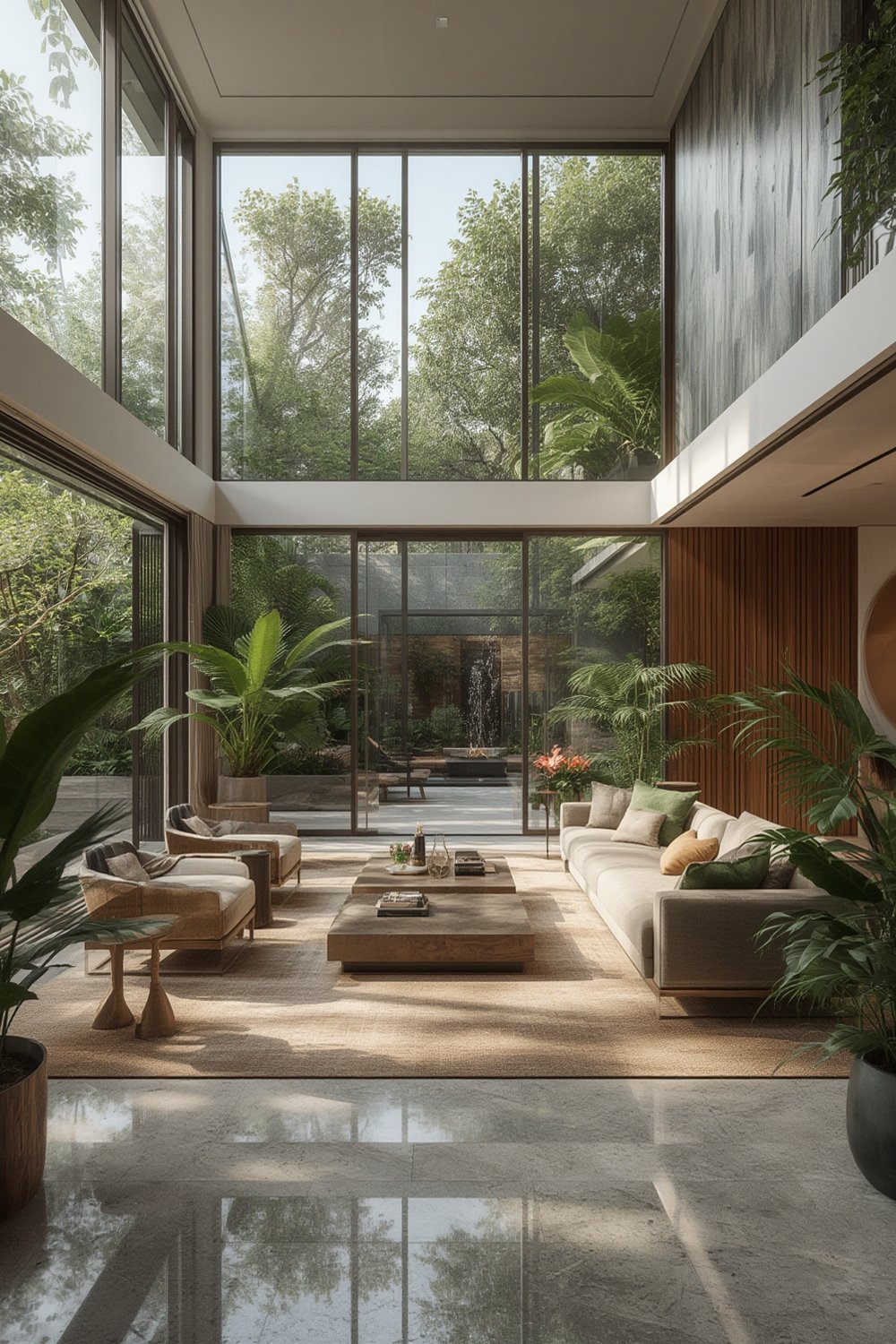
At home, this could mean anything from arranging a cluster of air-purifying plants near your desk to highlighting wood grain cabinetry in the kitchen. When done well, biophilia not only improves air and light but supports your circadian rhythm and sense of well-being—even short exposures provide measurable calm and increased vigor.[source]
Want a healthier and more grounded living environment? Choosing earthy hues, organic materials, nature-inspired layouts, and strategic placement of greenery in your home can help you get there. Plus, you don’t always need to make extensive or expensive renovations—small steps can yield big returns both for your health and interior design appeal.
How to Achieve Biophilic Design Home Interior: A Step-by-Step Guide
- Assess Your Current Space
Review which rooms already receive natural light or have views of the outdoors. Identify which spaces feel stuffy or lack vitality. Take note of any corners that could easily accommodate a planter or natural material. - Plan for Daylight and Views
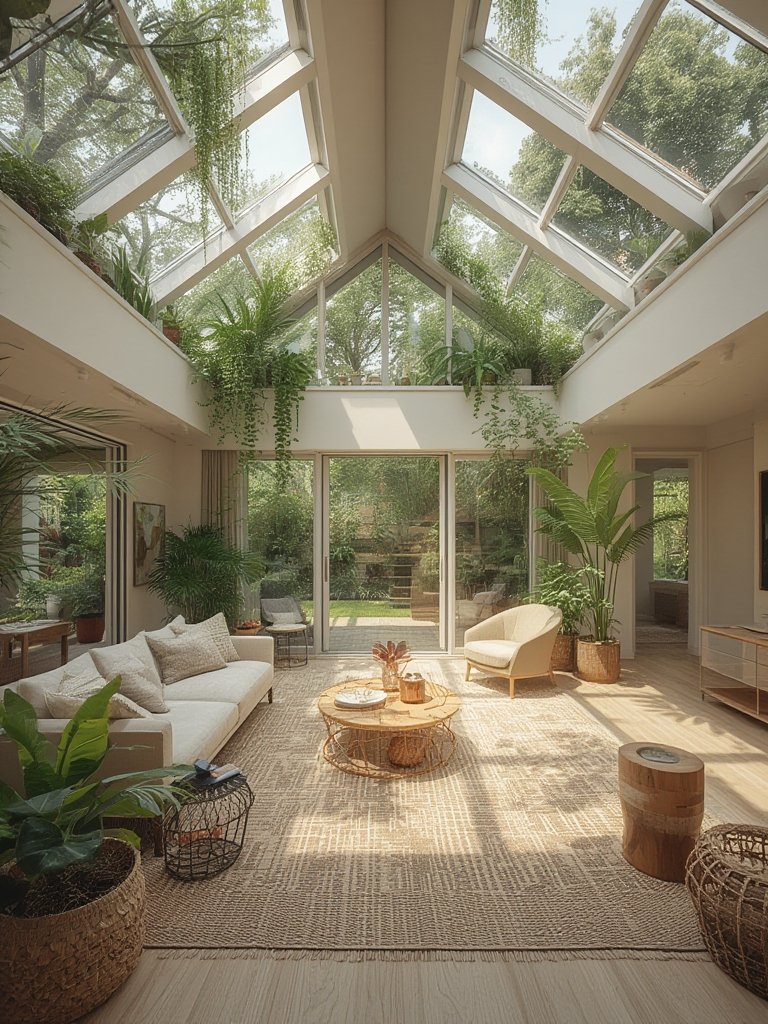
Prioritize spaces where you spend the most time. Can you reposition furniture to face window views, or add a mirror to bounce natural light deeper into the room? Consider switching solid doors for glass panels, or even adding a skylight if you’re already planning a renovation. - Add Indoor Plants Strategically
Use clustered planters to frame key spaces—like a reading nook or home office. Choose plants that thrive in your lighting conditions and are easy to care for. For air quality and aesthetics, seek out varieties like snake plant, pothos, philodendron, or peace lily.[source] - Incorporate Natural Materials and Textures
Upgrade to FSC-certified wood cabinetry, natural stone countertops, or wool rugs. Use low-VOC finishes to keep indoor air clean. Even swapping out plastic decor for tactile, earthy elements (like clay pots or woven baskets) can make a difference. - Introduce Water or Nature-Inspired Sound
Small table-top water features add soothing background noise and humidity. Nature-inspired sound machines can also lower heart rates and contribute to stress reduction. - Use Earthy Tone Interior Palette
Embrace muted greens, sandy beiges, warm terracotta, and natural wood finishes to echo popular 2025 trends and make the space instantly more calming and cohesive.[source] - Connect Indoors with Outdoors
Where possible, blur the line between inside and out—add sliding doors, or create sightlines to gardens or balconies.
Estimated Costs for Biophilic Upgrades (2025):
- Houseplants: $20-$150 each, depending on size and species. Clustered arrangements can make a big impact for under $300 per room.
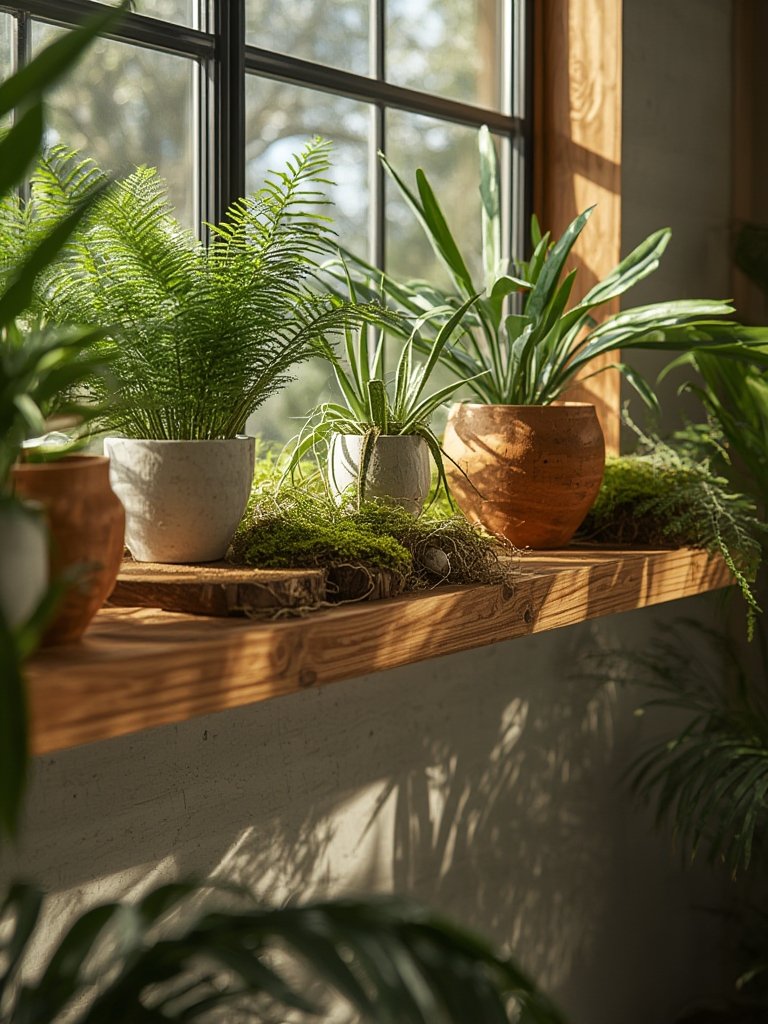
- Preserved moss wall (DIY kit): $200-$600 for a medium accent panel; installation is DIY-friendly and near-zero maintenance.
- Living green wall (installed, automatic watering): $1000–$2500 for a 4×6 ft panel, plus $200–$500/year for maintenance.
- Natural material upgrades (cabinetry, counters, rugs): $500–$5000+ depending on scope and materials. Look for reclaimed or FSC-certified wood for value and sustainability.
Quick savings tip: Strategically integrating natural elements (even just adding window treatments or movable planters) avoids big construction costs and keeps your project flexible if you move or remodel later. For more budget-friendly transformation ideas, see space-saving furniture solutions.
Advanced Analysis & Common Pitfalls
While the benefits of biophilic design in home interiors are clear, challenges remain—especially with living walls or ambitious green installations. Here are the most common issues and how to avoid them:
| Biophilic Feature | Main Challenge | Realistic Solution |
|---|---|---|
| Living Wall | High initial cost, ongoing maintenance, sensitive to lighting and humidity. | Opt for preserved moss panels if budget or time is limited. For live walls, choose built-in irrigation and hire for yearly checkups. |
| Indoor Plants | Poor species selection, overwatering, and incorrect light exposure can cause plant loss or pest issues. | Start with hardy species (snake plant, pothos, ZZ plant) and observe their needs. Use quick-draining soil and rotate plants for even light. |
| Natural Materials | Higher upfront material cost, risk of improper sealing leading to stains or odors. | Use FSC-certified wood and low-VOC finishes. Always seal porous surfaces and clean with plant-based products. |
| Light Maximization | Obstructed windows, lack of south-facing sun, or heavy window treatments limit daylight impact. | Use mirrors, lighter wall colors, and replace heavy curtains with sheer panels. Supplement with energy-efficient LED lighting that mimics daylight. |
Keep in mind, there’s little regulatory guidance specifically for biophilic design as of 2025. But you can future-proof your choices by seeking out sustainability certifications (like FSC or low-VOC labels), integrating energy-efficient lighting, and planning for natural ventilation. These align with both the spirit of biophilic wellness and broader sustainable design goals.[source]
Some homeowners raise concerns about plant pest management, cleaning leaves, or the learning curve of watering. Maintenance can be minimized by grouping similar plants, setting reminders for water and fertilizer, or keeping a basic plant journal. For structure updates, see DIY wall paneling tips which pair well with biophilic accents for a cohesive look.
Conclusion
Modernizing your home with biophilic design home interior principles has clear, research-backed benefits for stress reduction and overall wellness. Even simple steps like clustering easy-care plants, introducing natural light, or selecting earth-toned materials make a difference. Whether you invest in a statement moss wall or start with a potted pothos, these elements will create a healthier, more inviting living space for years to come. Ready to start your biophilic transformation? Explore more actionable tips in our guides to essential smart home upgrades and space-saving furniture ideas.
Frequently Asked Questions
What are the best indoor plants for air quality in biophilic design?
Great options include snake plant, pothos, spider plant, peace lily, and ZZ plant. These thrive indoors, tolerate a range of light, and help filter toxins from the air.
How much does it cost to install a living green wall at home?
Most homeowners spend $1000–$2500 on a small to medium living wall, plus $200–$500 per year for professional maintenance. Preserved moss walls offer a lower-cost, zero-maintenance alternative.
Are there biophilic design certifications or standards for homes?
No specific home certifications exist as of 2025. Look for FSC-certified wood, low-VOC materials, and energy-efficient lighting to align with sustainability and health best practices.
Does biophilic design require expensive renovations?
No—even affordable changes like adding indoor plants, switching to natural materials, and maximizing daylight yield health and mood benefits. Major features like indoor living walls are optional.
Can I combine biophilic design with other modern home upgrades?
Absolutely. Combining biophilic elements with smart home automation or space-saving furniture can create a home that’s both functional and nurturing. See our guides on smart home upgrades and space-saving furniture ideas for inspiration.