

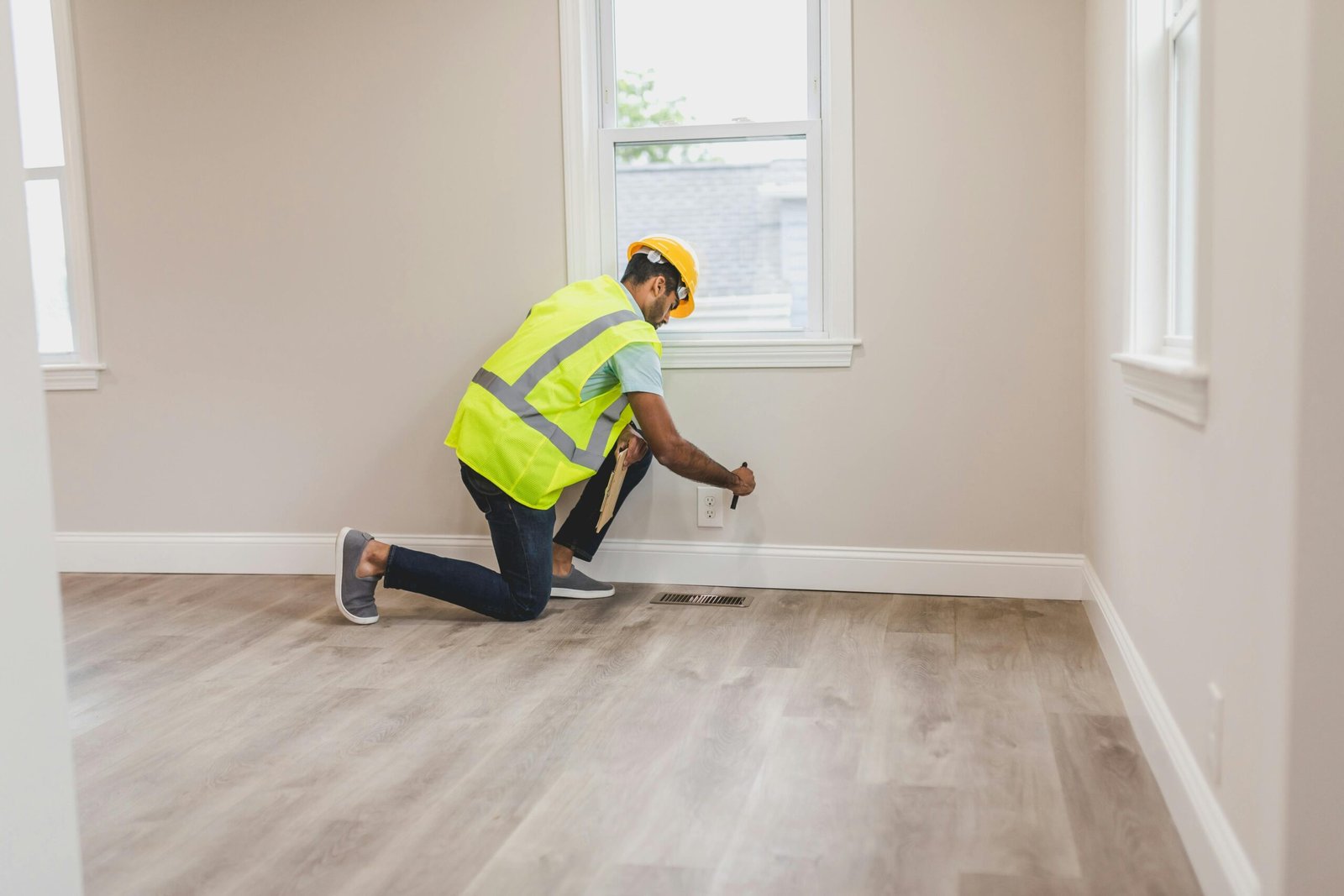
home energy audit near me is one of the smartest ways to uncover hidden energy waste and save money—yet most homeowners have no idea where to start, what it really costs, or how to spot scams versus genuine improvements. If you want actionable answers and straightforward tips on finding the right home energy audit for your address, this is your guide.
Key Takeaways
- Professional home energy audit (with blower door test) costs in 2024 typically run $351 to $437 nationally, with many homes paying $212 to $698—cost varies by home size and region.
- Utility rebates or subsidized programs can significantly reduce your out-of-pocket cost, especially in select cities like New York.
- DIY kits miss critical diagnostics—especially air leakage tests—and mistakes are common. A professional audit delivers far more actionable results.
- What Is a Home Energy Audit Near Me and Why Is It Essential?
- Step-by-Step Guide: Booking and Preparing for a Home Energy Audit
- Advanced Analysis & Common Pitfalls
- Conclusion
- FAQ
What Is a Home Energy Audit Near Me and Why Is It Essential?
At its core, a home energy audit near me is a thorough inspection of your house performed by certified specialists. Their goal is to pinpoint all the ways your home wastes energy, from hidden air leaks to subpar insulation and inefficient appliances. You’ll get a detailed report that shows real-world fixes to lower utility bills and improve comfort. Most reputable audits today include essential measurements—especially the blower door test—to diagnose exactly where your conditioned air is escaping, which no eyeball check or basic kit can reveal.
Why go beyond a quick DIY energy checklist? Investing in a professional home energy audit unlocks the highest ROI upgrades, reveals waste you can’t see, and prevents overspending. Utility companies, state energy programs, and even some city governments now offer rebates or free assessments—meaning the smartest path often costs less than you think.
Step-by-Step Guide: Booking and Preparing for a Home Energy Audit
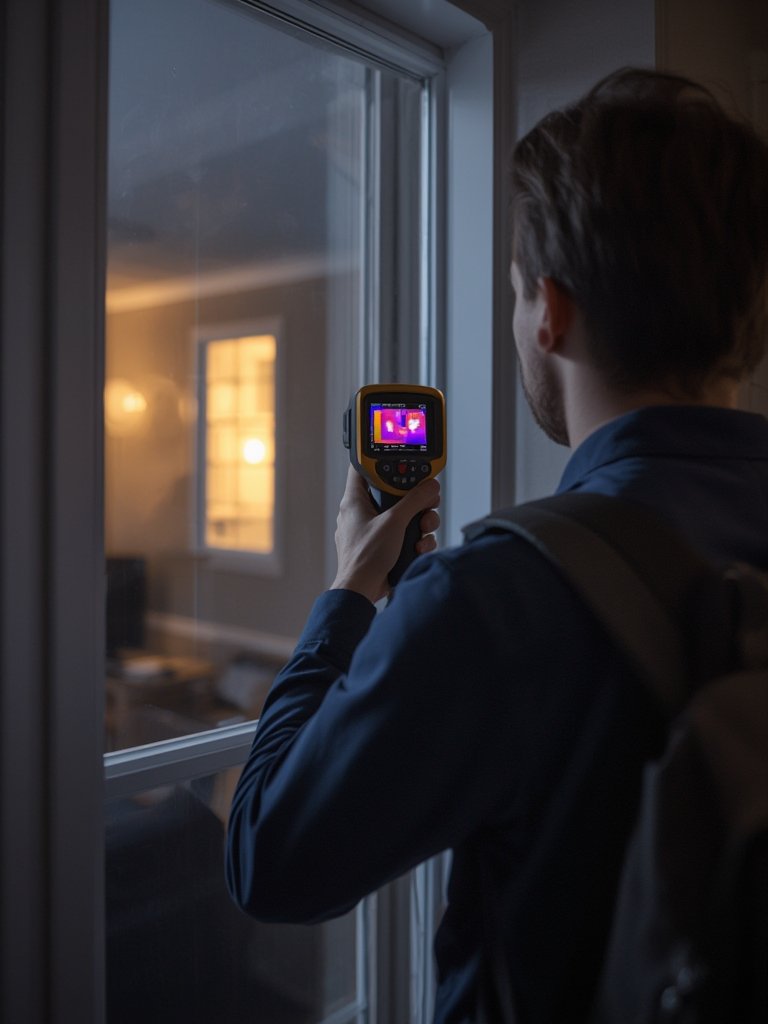
- Research Local Providers – Start by searching “home energy audit near me” and look for certified professionals listed by utilities or state energy offices. Focus on firms that include a blower door test and use infrared thermography—these extra steps find the leaks that cost you the most.
- Compare Costs and Rebates – Expect to pay between $351 and $437 for a comprehensive audit (including the blower door), though rates can run higher in large cities or for big homes. Ask potential providers about bundled tests, rebates, and available utility discounts. NYC’s EmPower+ program and others may reduce your cost to nearly zero if you qualify.
- Book Your Audit and Schedule Early – High demand means appointments can fill fast—especially after extreme weather or local incentive announcements. Plan for 2–4 hours, and confirm whether anyone needs to be home for the full inspection.
- Prepare Your Home – Clean and declutter access to attics, crawlspaces, and HVAC equipment. Gather previous utility bills, which can help the auditor spot patterns. Note comfort complaints (drafty rooms, inconsistent temps) ahead of time.
- Be Ready for the Blower Door Test – This is the secret weapon of a good audit: a big fan temporarily installed in your door to depressurize the house. The auditor can then find exactly where air leaks out using smoke pencils or infrared tools.
- Review Your Custom Report – Afterwards, you’ll get a detailed list of recommended improvements, ranked by payback. Don’t be afraid to ask the auditor for clarification—especially if you suspect upselling of services or products not directly related to your audit findings.
- Act on the Most Effective Upgrades – Start with the quick-win fixes with the fastest ROI, like sealing major air leaks and boosting attic insulation. Spray foam insulation is a common recommendation for severe leakage. Upgrading to smart thermostats and weatherstripping doors are also popular next steps.
For more ways to gain comfort and efficiency at home, see our guide to essential smart home upgrades for 2026—these often pair perfectly after an audit, boosting your savings even further.
Advanced Analysis & Common Pitfalls
While a professional home energy audit near me is almost always worth it, there are some real-world challenges and potential mistakes to watch for—especially if you try to DIY or choose the lowest-bid technician.
- DIY Kits Are Limited: Off-the-shelf audit kits (at $30–$150) lack blower door and infrared analysis. You’ll miss hidden air leaks and end up guessing at the real cause of high bills.
- Misleading Promises or Upselling: Some companies may push expensive upgrades unrelated to your home’s true needs. Stick to auditors who provide clear, ranked recommendations based on diagnostic results—not product sales.
- Unknown Regional Incentives: Rebates and programs change often and vary widely by city or state. Double-check the latest offers with your local utility, and make sure any work you do qualifies for incentives before starting the upgrades.
- Common DIY Mistakes: Even handy homeowners often overlook attic hatches, recessed lights, and duct connections. Missing just one major leak can kill your project’s ROI.
- Hidden Costs: Costs can vary by region and the level of diagnostic included. The lowest advertised price rarely includes all tests. Review estimates line-by-line, and make sure the blower door test is included—it’s the single most impactful component.
| Audit Method | Typical Cost Range | What’s Included | Drawbacks |
|---|---|---|---|
| DIY Kit | $30–$150 | Basic checklist, draft detector, possibly handheld IR thermometer. | No blower door or thermal imaging. Misses hidden leaks, no custom analysis. |
| Professional Basic Audit | $150–$200 | Visual inspection, basic review of insulation and windows, utility bill analysis. | Rarely includes blower door or advanced tests. |
| Standard Audit with Blower Door | $300–$500 | Full inspection, blower door test, infrared imaging, written report. | Pricing can be higher in urban areas. Quality varies by provider. |
| Comprehensive Audit | $500–$900 | All tests above, plus HVAC analysis and possible duct leakage test. | More expensive, but best for large or older homes with multiple issues. |
Still unsure? Explore creative energy-saving upgrades with our whole home battery backup guide and see how smart technology solutions are reshaping comfort and costs.

Conclusion
If you want proven savings and lasting comfort, investing in a professional home energy audit near me usually pays for itself in your next utility bills. Remember: The most valuable fixes are the ones you can’t see—and only a comprehensive audit (with blower door and thermal analysis) finds them all. Don’t settle for quick DIY checks, and always ask about rebates or incentives in your city. This is your first step toward a more energy-efficient, comfortable home.
Ready for results? Start by booking your home energy audit, and check out our expert guides on 2026 smart home upgrades, space-saving furniture, or outdoor lighting ideas to maximize both savings and comfort throughout your space.
FAQ
How much does a professional home energy audit near me cost in 2024?
The national average for a full audit (including blower door) ranges from $351 to $437. Basic audits start as low as $150. Programs and rebates may lower or even cover your cost—ask your local utility for current offers. Source.
Is a DIY home energy audit worth it?
DIY audits using kits or checklists can reveal obvious issues, but can’t find hidden leaks or problems inside walls. Only a pro with a blower door and thermal imaging will identify all the places your home wastes energy.
What is a blower door test and why do I need one?
A blower door test is a diagnostic that pressurizes or depressurizes your home to measure how much air leaks in or out. It’s the most reliable way to find leaks, drafts, and insulation gaps that spike your utility bills. Always make sure this test is included in any serious audit.
Are there utility rebates for energy audits or upgrades?
Many states and cities offer rebates, subsidized audits, or post-upgrade cash incentives. NYC’s EmPower+ is one example. Incentives change often, so always check with your utility or local energy office before booking your audit. Source.
Will the auditor try to upsell me services I don’t need?
A reputable auditor will present a ranked list of recommendations based strictly on the findings—not push unrelated upgrades. If a provider seems focused on selling products, or skips diagnostic steps, consider looking elsewhere.
—