

ADU construction cost is the first question for any homeowner pondering adding a backyard unit. Knowing the true numbers – and the pitfalls – is how you avoid surprise overruns, delays, and regret. This guide gives you the real 2024 figures, a clear step-by-step, and the insider tips you can actually use.
Key Takeaways
- ADU construction costs in 2024 typically range from $150 to $400 per square foot nationally, but can be much higher in California, especially for detached units.
- Site conditions, design choices, and permitting complexity are major cost drivers—understanding each saves money and headaches.
- Prefabricated ADU kits may cut costs and build time, but hidden fees and durability questions require careful research.
- What Actually Drives ADU Construction Cost?
- How to Estimate and Manage Your ADU Budget
- Advanced Analysis & Common Pitfalls
- Conclusion
- FAQ
What Actually Drives ADU Construction Cost?
ADU construction costs in 2024 depend on unit type, location, size, finish level, and site conditions. Nationally, expect $150 to $400 per square foot. In California, costs range even higher—often $345 to $425 per square foot for typical builds. Smaller garage conversions start as low as $60,000, while 1,200-square-foot detached ADUs can cross $350,000. Hard costs include materials (roughly 45–50%) and labor (about 40%), but soft costs—permits, design, and inspections—also add up.
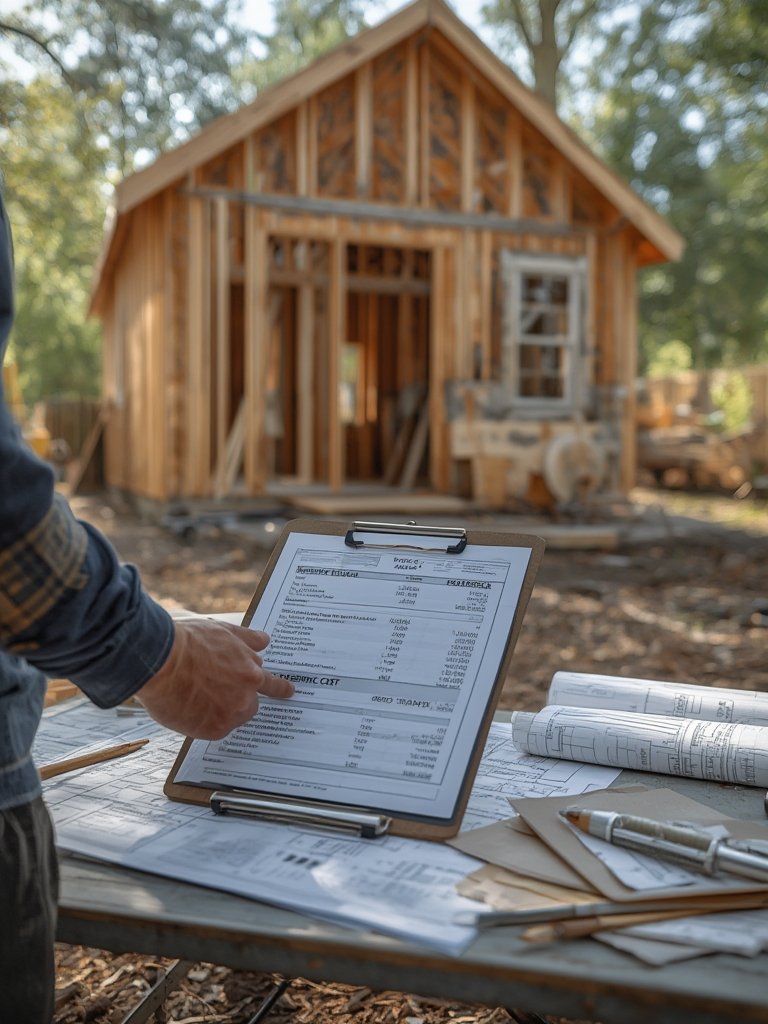
Key cost factors:
- Unit size: The larger the ADU, the higher the cost, both in total and per square foot, especially past 600 square feet.
- Design choices: Custom ADUs cost more than pre-designed or prefab models. Higher-end finishes can add $10–$150 per square foot.
- Site conditions and location: Sloped lots, tricky access, or poor soil can raise foundation and utility costs—sometimes adding $30,000 or more.
- Permitting and zoning: These “soft costs” run between $10,000 and $35,000 in California alone. Rules vary widely by city and county.
For reference, converting an existing garage is less expensive ($60,000–$150,000), while a new detached unit is the most costly ($110,000–$350,000+). Larger units (1,000–1,200 sq ft) reach $180,000–$360,000 across the country. Source Source
How to Estimate and Manage Your ADU Budget
Building an ADU takes more than basic math. The hardest part is getting real about the numbers before you break ground. Here’s how to do it.
- Choose Your Type of ADU:
- Detached (more private, most expensive)
- Attached (shares walls/utilities, less expensive)
- Garage conversion (cheapest, usually smallest)
- Get a Feasibility Study:
- Determine setbacks, maximum allowed size (many California cities cap ADUs at 1,200 sq ft)
- Do a soil test and utility survey—expensive surprises lurk here.
- Calculate Hard Costs:
- Materials and labor make up to 90% of expenses.
- Use $150–$400/sq ft nationally; $350–$425/sq ft for detached California units as a guide.
- Don’t Ignore Soft Costs:
- Permits, inspection, and design often total $15,000–$35,000 and up.
- Factor in architecture fees, impact fees, and utility connection costs.
- Watch Out for Hidden Fees:
- Foundation work on sloped or problem lots can add $5–$40 more per square foot.
- Material upgrades and finishes are common budget busters—add 10% buffer for overruns.
- Compare Prefab and Stick-Built:
- Prefabs and kits often promise lower price (details), but check delivery, site prep, utility, and crane fees—these can add tens of thousands unexpectedly.
- Stick-built means higher labor and design cost, but flexibility and lasting value.
- Leave Room for Delays:
- Permitting times, supply chain issues, and contractor delays increase overall cost. Get a schedule in writing, with milestones.
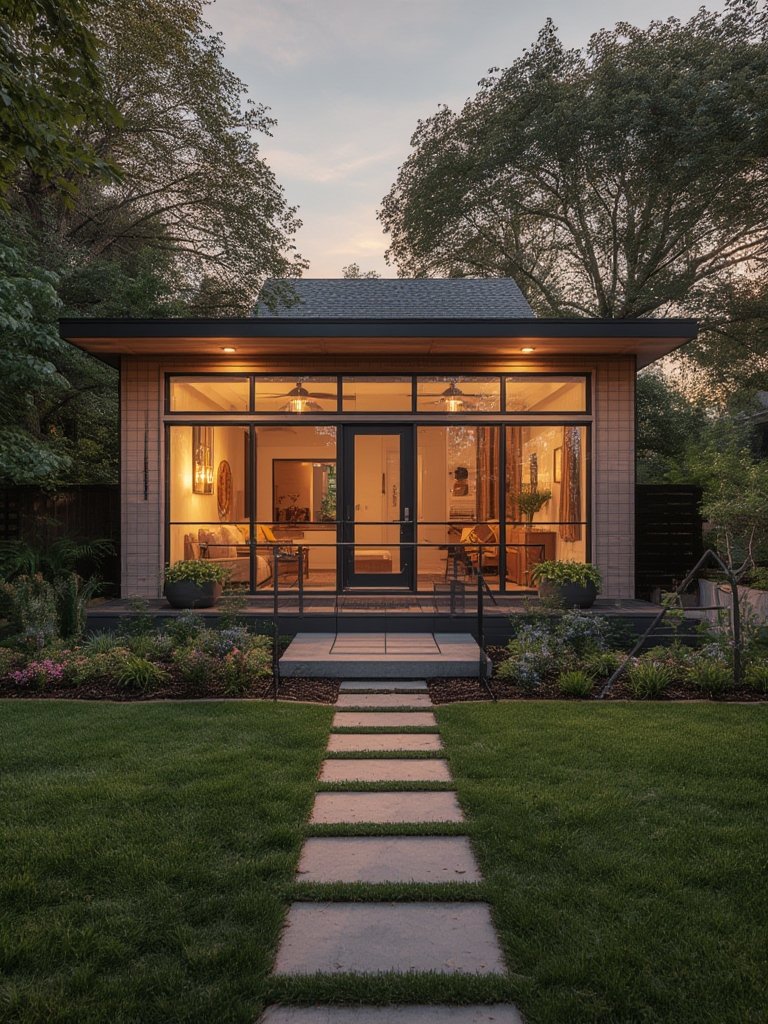
Want more ways to maximize your budget? Consider building your ADU at the same time as another renovation (like a wall paneling upgrade) to save on project management and mobilization costs.
If you need storage or functionality in a small space, integrate space-saving furniture directly into the build for multifunctional value.
Advanced Analysis & Common Pitfalls
Even with a meticulous budget plan, ADU projects trip up owners in unexpected ways. Here are frequent pitfalls and their telltale signs:
- Regulatory surprises: Local permit rules shift often. Some cities require public notice or strict setback enforcement—be ready for delays or redesigns.
- Budget underestimation: Many soft costs (architecture, permits) are underestimated. Nearly all homeowners encounter unplanned expenses during construction.
- Prefab “bait and switch”: Advertised kit prices rarely include delivery, site prep, or utility connections. These extras can add $20,000–$50,000 fast.
- Over-customization: High-end finishes balloon costs without adding equivalent rental value or resale return.
- Disruption: Even a garage conversion disrupts parking, daily life, and neighborhood quiet for months.
How do prefab ADUs and traditional builds stack up? The key decision points are in the table below:
| Criteria | Prefab ADU Kit | Traditional Stick-Built |
|---|---|---|
| Upfront Cost | Lower, but often excludes site work and utilities | Higher, includes full customization |
| Build Speed | Faster (weeks, not months) | Slower (several months typical) |
| Site/Permit Risk | Depends on local zoning, some restrictions | Full local adaptation |
| Durability | Still unclear—confirm warranty and past installs | Proven, but varies by contractor quality |
| Hidden Fees | Delivery, crane, foundation often extra | Fewer, but soft costs can add up |
If you’re considering ROI, a detached ADU up to 1,200 sq ft in California can be a lucrative rental—just be sure local zoning supports your plan first (more on California costs). For more property value tips, see our guide to smart home upgrades that make a difference.
Conclusion
Building an ADU can be a savvy investment if you respect the realities: costs can escalate quickly, especially in high-demand regions. Understand foundation and permitting costs, expect surprises, and always leave a financial buffer. Whether you choose prefab or custom, the real secret is planning and knowing the true ADU construction cost before you start. For more inspiration, don’t miss our articles on outdoor lighting and furniture ideas for maximizing small homes. Ready to get started? Assess your lot and engage a pro for a true feasibility estimate—before spending a dollar on plans.
FAQ
What is the cheapest way to build an ADU in 2024?
The cheapest way is usually a garage conversion or a well-sited prefab unit. These avoid foundation and major utility upgrades, but you’ll still pay roughly $60,000–$150,000 depending on finishes and location.
Are there any grants or low-interest ADU loans available?
Currently, most homeowners rely on HELOCs or home equity loans. Some state and city pilot programs exist, but data on approval rates and eligibility is very limited in 2024.
How do site constraints impact ADU construction costs?
Sloped lots, poor soil, or tight access can add tens of thousands to the foundation and utility work—these are often the most underestimated line items in a budget.
How do ADU permitting fees and timelines compare across big cities?
Fees vary from almost nothing in some rural areas to $35,000 or more in major cities like Los Angeles. Timelines and denial reasons can vary widely, so always confirm specifics with your local department before any spend.
Can I build an ADU and add smart home technology at the same time?
Absolutely—and it’s best done during construction to save on installation costs. Check out our smart home automation guide for top upgrades to integrate.