

### Blog Post:
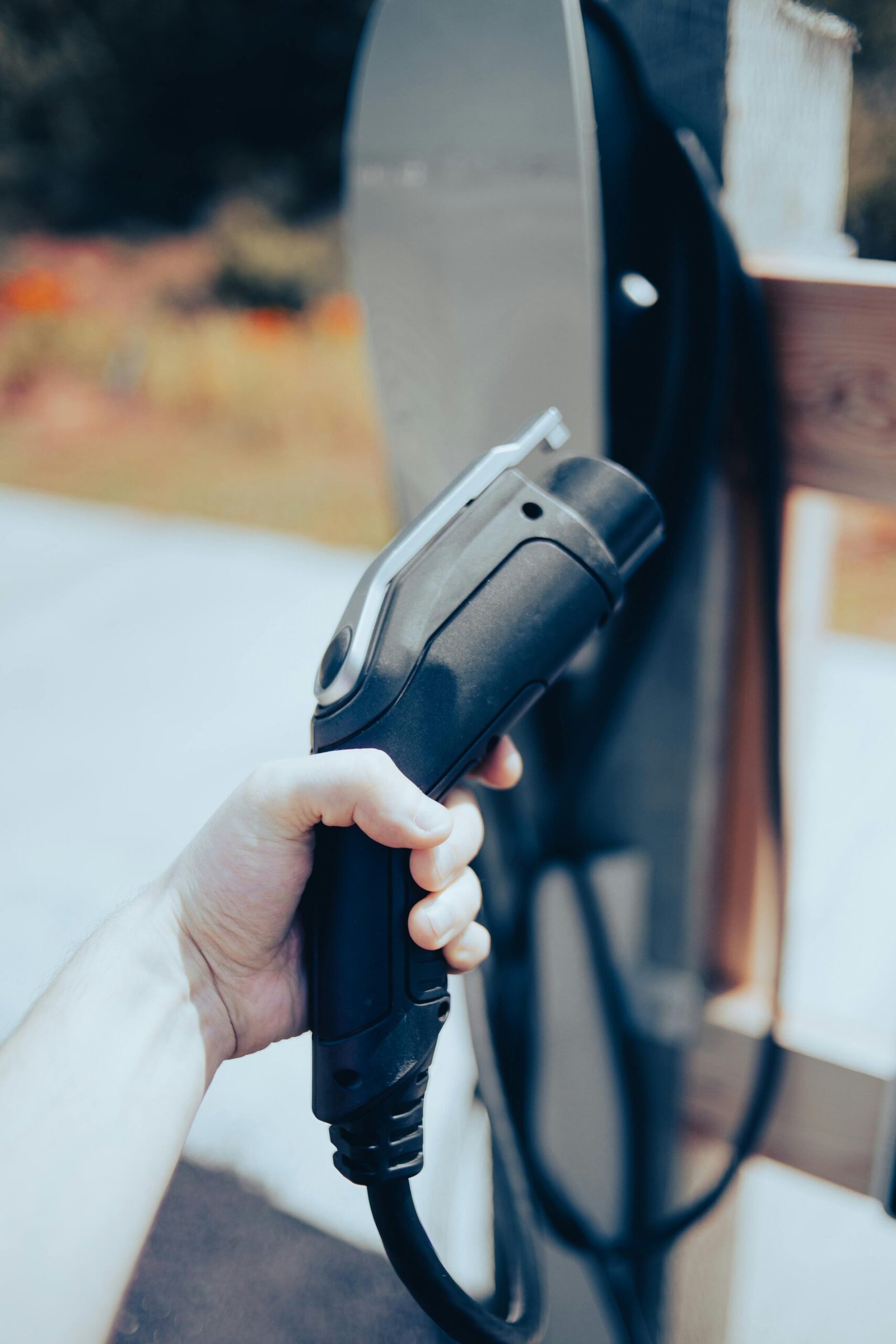
EV charger home installation is quickly becoming a top priority for homeowners eager to make charging their electric vehicles as convenient and cost-effective as possible. But before you book an installer, it’s important to understand what drives installation costs, the essential steps, and the real-world challenges you might face along the way.
Key Takeaways
- Average costs for home Level 2 EV charger installation range from $800 to $3,000 for labor and materials, with the national average near $2,442 (source).
- Permit requirements and code compliance vary by location and may impact costs and installation timelines.
- Choosing between a NEMA 14-50 outlet and hardwired setup affects flexibility, safety, and long-term value.
- How Home EV Charger Installation Works
- Step-by-Step EV Charger Home Installation Guide
- Advanced Analysis & Common Pitfalls of Home EV Charger Installation
- Conclusion
- Frequently Asked Questions
How Home EV Charger Installation Works
Level 2 EV charger home installation means setting up a dedicated 240-volt circuit in your garage or driveway. This allows you to charge most modern EVs up to 9 times faster than a regular 120-volt outlet. The process generally requires a licensed electrician because of the high-voltage wiring, strict code standards, and mandatory permits. It’s not just about faster charging—it’s about safer, more convenient, and long-term reliable energy management tailored for your home.

Most installations involve running new 240V wiring from your electrical panel to the installation location, mounting the charging unit or installing a heavy-duty NEMA 14-50 outlet, and pulling the required permits and inspections. Costs vary depending on the complexity, existing electrical capacity, wiring distances, local labor rates, and whether you opt for a plug-in or hardwired solution.
By understanding the involved steps, regional price differences, and common hidden hurdles, you can avoid last-minute shocks and get a practical, safe setup. If you’re planning other projects, see our guide to essential smart home upgrades to bundle improvements for more savings.
Step-by-Step EV Charger Home Installation Guide
This home EV charger installation guide takes you through the entire process so you know what to expect, the decisions you’ll face, and how to avoid costly missteps. For most homeowners, a licensed electrician is non-negotiable—240-volt work is risky and strictly regulated. Here’s a realistic sequence:
- Assess Your Electrical Panel
Check if your main panel has enough amperage (typically 100A minimum total) and spare capacity for a new 40–50-amp circuit. Older homes may need a panel upgrade, which can add $500–$2,500 to costs. - Choose a Location
Proximity to the panel is critical. Shorter wiring runs mean lower costs. Most chargers go in the garage, but outdoor installations are possible with suitable weatherproofing and conduit. - Decide Plug-in vs. Hardwired
Choose between a NEMA 14-50 outlet (plug-in) or permanent hardwired charging station. Plug-in is cheaper and more flexible, but hardwired is safer for higher amperage or permanent installs. - Obtain Permits
Most U.S. cities require an electrical permit. Your electrician usually pulls this. Permit costs and review timelines vary greatly by region and can slow your project. - Installation Day
The electrician runs new wiring in conduit, mounts the charging hardware or outlet, makes panel connections, and tests everything for safety and local code compliance. - Inspection & Signoff
A local inspector must often approve the work before your charger can be used. Ensure this final step is complete before plugging in your EV.

- Essential Tools for Electricians
-
- Voltage tester
- Wire strippers and cutters
- Conduit bender
- Drill with masonry bits (for wall penetration)
- Screwdrivers, pliers, and tape measure
DIY vs. Pro: While YouTube may make DIY look easy, electrical work at this level carries real fire and shock risk. Insurers and local authorities may void coverage/warranty if unlicensed work is discovered. Permits and inspections are critical—and DIY is rarely allowed for EV charger circuits.
For those looking to maximize upgrades, pairing with other home improvements (like smart home upgrades) can save on permit and contractor mobilization fees.
Advanced Analysis & Common Pitfalls of Home EV Charger Installation
Homeowners face several real challenges and misunderstandings when it comes to installing a Level 2 charger. Here’s what top-ranking articles often gloss over:
Cost Pitfalls: What Drives Price Jumps?
| Installation Type | Typical Cost (Labor/Materials) | When This Applies | Common Surprises |
|---|---|---|---|
| Simple (existing outlet / short run) | $300–$800 | Garage near panel; spare 240V outlet | No major panel changes needed |
| Standard (average install) | $800–$3,000 | Most homes with some new wiring | Permits, moderate conduit, possible drywall patching |
| Complex (panel upgrade, long run, trenching) | $2,500–$4,000+ | Old panels, detached garages, long distances | Subpanel install, trenching driveway, extensive permitting |
Check regional averages to avoid overpaying. California typically runs at $2,576, Alaska at $3,049, and West Virginia at $3,150 for installs. Los Angeles homeowners often pay $700–$2,000 thanks to city incentives and contractor competition (source, source).
NEMA 14-50 Outlet vs. Hardwired Charging Station
- NEMA 14-50 Outlet: Plug-in, flexible, lower upfront cost, well-suited for common EVs up to 40 amps. GFCI protection a must, but long-term plug wear is a minor risk.
- Hardwired: More permanent, safer for amp loads above 40/50, and less prone to issues from accidental yanking or humidity. Costs more and is harder to relocate if you move.
Choose plug-in for flexibility, hardwired for high-power, long-term installations. See more tips in our DIY installation guide and remember the right solution depends on your home’s layout, your vehicle, and future plans—especially in growing EV households.
Permit and Code Traps
Current top-ranking articles rarely give clear, city-specific permit advice. Know that most U.S. cities mandate a permit and inspection for any new 240V circuit or Level 2 charger, but rules on DIY, load calculations, and GFCI requirements shift between states. For example, California’s Title 24 may enforce stricter energy efficiency and conduit codes than Texas. Always clarify with your installer or local Building Department for your region.
User Reviews & Common Complaints
Public user reviews are surprisingly absent—potentially because installations are almost always handled by professionals. But expect issues such as:
- Delays from permit bottlenecks or inspector schedules.
- Cost surprises from unforeseen panel upgrades or code requirements.
- Rarely, difficulty getting after-sale support for charger hardware (choose a reputable installer and charger brand, check for a warranty).
If you’re planning to include outdoor elements, also see our guide to outdoor lighting for smart integration tips.

Conclusion
Installing a home Level 2 EV charger means more than just plugging into the future; it’s an investment in convenience, property value, and your peace of mind. Know the true costs, follow permit rules, and balance plug-in flexibility with hardwired safety for a setup that fits your life today and tomorrow. Whether you’re planning an energy-efficient smart home or want space-saving garage options, the right approach to smart EV charger home installation will pay dividends every time you plug in. Ready to get started? Schedule a trusted professional evaluation—and get charging faster, safer, and smarter.
Frequently Asked Questions
Do I really need a permit to install a Level 2 EV charger at home?
Yes, in almost all U.S. regions a permit is required to install a 240V circuit for an EV charger. Failing to permit and inspect the work risks code violations, insurance problems, and voided warranties. Be sure your electrician obtains the permit before starting.
What’s the difference between a NEMA 14-50 outlet and a hardwired charger?
A NEMA 14-50 outlet lets you plug and unplug your Level 2 charger for flexibility and relocation. Hardwired chargers are permanently fastened with a direct wiring connection, offering slightly better safety and reliability for higher amperage systems.
How long does home EV charger installation usually take?
A simple install with panel access takes 2–4 hours. If you need a new panel or trenching, expect a full day or more plus extra permit/inspection time. Plan for 1–2 weeks total from scheduling to completion.
Is it worth paying more for a smart EV charger?
Smart chargers allow app control, scheduled charging, and energy tracking, which can save money and increase convenience. While they cost more upfront, most homeowners benefit from the extra functionality, especially as utility rates vary. Explore more in our smart home upgrades guide.
Can I install an EV charger outdoors?
Yes, but the charger and all electrical components must be rated for outdoor use. Expect higher costs for weatherproof hardware, conduit, and possible trenching. Pair with guides on outdoor lighting for safer, more functional setups.
—