

Key Takeaways
- Heat pump efficiency is typically 200–400 percent, surpassing furnaces in all but the coldest climates.
- Exact regional installation costs for 2024 remain unavailable, but ducted vs. ductless (mini split) system costs can differ significantly.
- Energy savings are substantial in most climates, yet some older homes or frigid regions may require a furnace backup.
- What to Know About Heat Pump Installation Cost
- How to Plan Your Heat Pump Project
- Comparison, Efficiency & Real-World Pitfalls
- Conclusion
- Frequently Asked Questions
What to Know About Heat Pump Installation Cost
Heat pump installation cost can be a significant home investment, but it pays off with reliable heating and cooling, plus long-term energy savings. Heat pumps work by transferring heat indoors or outdoors depending on the season, unlike furnaces which generate new heat. The total cost can vary depending on the system type, home size, existing ductwork, and your regional climate.
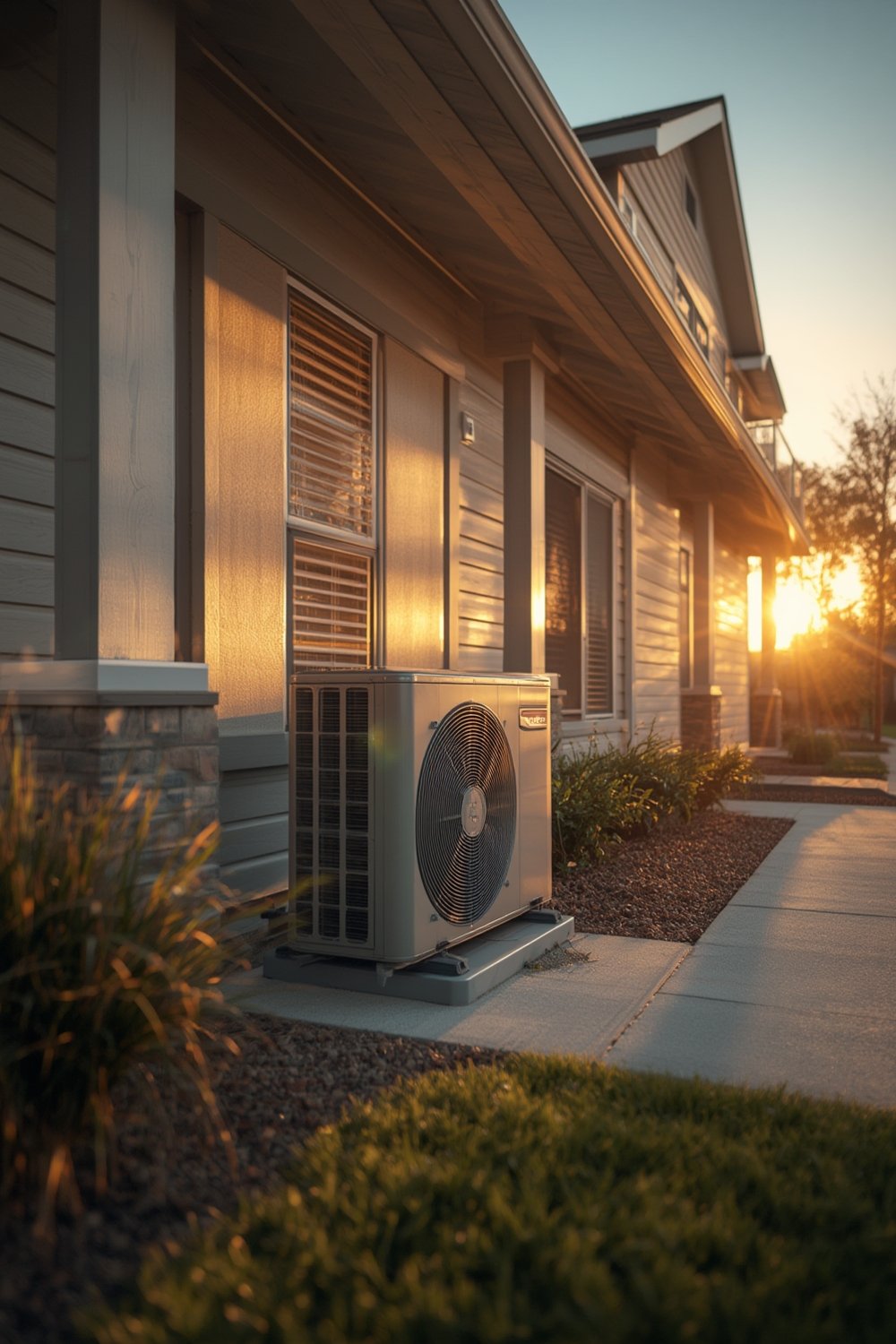
As of 2024, exact average installation costs by region—such as the Northeast or the South—are unavailable, and direct comparisons between mini split and traditional ducted systems are sparse. Still, mini split systems, which do not require ductwork, often come at a slightly higher equipment cost but may be more affordable to install in homes without existing ducts. Traditional systems can be more cost-effective in new builds or homes with fully functional ducts.
For more on efficiency and savings, it’s important to consider how heat pumps stack up against traditional furnaces—which typically run at 80–98 percent efficiency—whereas heat pumps can deliver 200–400 percent efficiency in milder conditions. The right system will depend on your local winter temperatures, budget, and whether you aim to upgrade to a smart, energy-efficient home or simply reduce bills.
How to Plan Your Heat Pump Project
- Assess Your Home’s Heating and Cooling Needs: Start with an energy audit or manual J calculation for proper system sizing. Undersized or oversized systems lead to less comfort and higher bills.
- Decide on System Type: If your home has existing ductwork in good shape, a traditional ducted heat pump can work well. For older homes with no ducts, consider a mini split system. Small homes or additions often benefit from space-saving upgrades and ductless mini splits.
- Get Quotes from Qualified Contractors: Always obtain multiple quotes. Well-reviewed, experienced installers can help avoid common pitfalls and hidden costs.
- Optimize Installation Timing: Off-season installations may cost less. Plan ahead before peak summer or winter.
- Understand the Full Cost Breakdown: Ask for labor, materials, optional features, and warranty details to avoid surprises.
- Prepare Your Home for Installation: Clear access to the work area, move furniture, and discuss any special considerations with your HVAC contractor.
- Schedule the Installation: Review the timeline, ensure proper permits are pulled, and set up post-installation walkthroughs.
Financing options are often available through contractors or local utility programs. In some cases, heat pump installation can even help qualify for insurance discounts due to improved efficiency and reduced fire risk compared to older furnace systems.
If you’re making broader efficiency upgrades—like upgrading your outdoor lighting—coordinate your projects to maximize contractor availability and minimize home disruption.
For DIYers: While heat pump installation requires licensed pros, small projects like DIY wall paneling or light fixture changes can prep your home for installation and save on overall labor costs.
Comparison, Efficiency & Real-World Pitfalls
Analyzing heat pump performance and real-world installation, it’s clear that efficiency and comfort depend on both system type and local climate. Heat pumps are most efficient in milder weather, delivering two to four times the heating energy for every unit of electricity used. Compared to furnaces, which convert 80–98 percent of fuel into heat, the gap shrinks as outside temperatures fall toward freezing and below.
| System Type | Typical Efficiency | Performance in Cold Climates | Upfront Installation Cost |
|---|---|---|---|
| Ducted Heat Pump | 200–400% (COP 2.0–4.0) | Efficiency drops sharply below 32°F; may need backup | Generally lower for homes with existing ducts |
| Mini Split Heat Pump | 200–400% (COP 2.0–4.0) | Better for room-by-room control; effective in homes without ducts | Higher equipment cost, but lower install cost with no ductwork |
| Gas Furnace | 80–98% (AFUE) | Consistent heat, especially in very cold weather | Generally lower than heat pumps, but no cooling included |
Even with modern technology, heat pumps can lose efficiency in sub-freezing weather and may struggle to keep up in old, drafty homes unless paired with building envelope upgrades. In states with brutal winters, a dual-fuel system (heat pump plus furnace backup) may offer the best value.
Major pitfalls include choosing the wrong-sized system, poor ductwork, improper refrigerant handling, or missing out on available incentives. Lastly, homeowners looking ahead to 2025 should note that federal and state incentives are evolving, but no cost or eligibility specifics have been confirmed yet. Keep an eye on programs as the year approaches, and ask installers about new credits at the time of your purchase.
For broader home upgrades, check out tips like smart home upgrades to further boost efficiency and comfort.

Conclusion
Whether you choose a ducted or mini split system, getting a handle on your heat pump installation cost is essential to planning and budgeting. Understanding local climate, home needs, and reliable installer options lets you make the smartest, most cost-effective investment. Ready to plan your project? Call a licensed pro for in-home estimates and ask about heat pump incentives in your region.
Take the first step today—evaluate your home’s needs, review your budget, and start asking about the heat pump installation cost that matches your goals and climate. You’ll enjoy better comfort and savings for years to come.
Frequently Asked Questions
How much does heat pump installation cost on average in 2024?
There is currently no single average cost for heat pump installation in 2024 as prices can vary by system type, home size, location, and existing infrastructure. Get multiple local quotes for an accurate budget.
Are heat pumps really more efficient than furnaces?
Yes, heat pumps generally achieve 200–400% efficiency in milder weather, outperforming most furnaces except in extremely cold climates where their efficiency drops.
Will a mini split system cost more than a traditional heat pump to install?
Mini split equipment may be pricier, but total installation can be lower if you have no existing ductwork, as there’s less labor involved in setup compared to a full ducted system.
Can I get a tax credit or incentive for my heat pump in 2025?
No confirmed details are available yet for 2025 incentives. Monitor government announcements and ask installers about current programs the month you plan to install.
Do heat pumps work in older homes?
Heat pumps can work well in older homes, but you may need improvements to the insulation and air sealing. Ductless mini split systems are often easier to retrofit in such houses.