

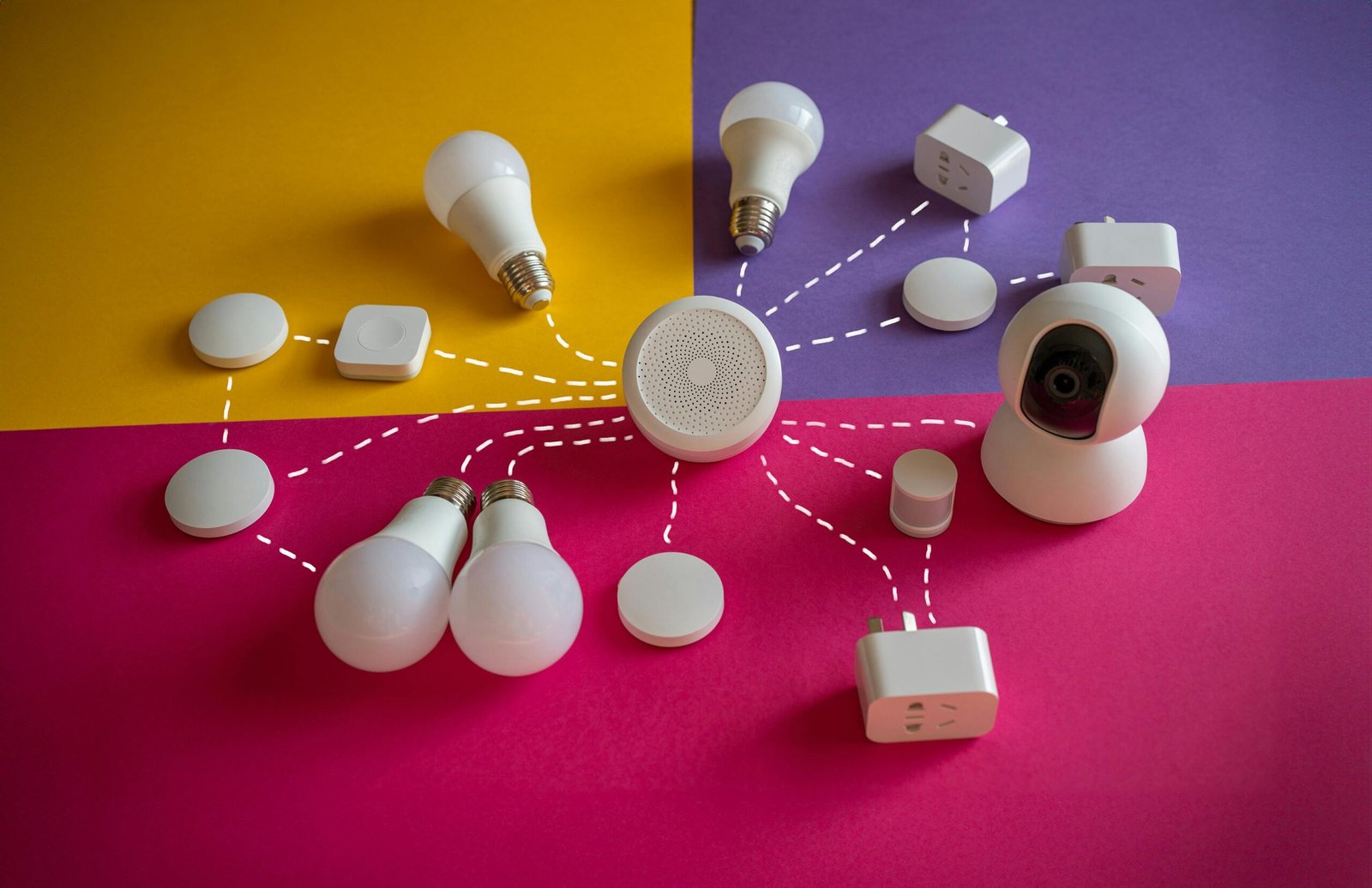
Smart home upgrades for 2026 are transforming the way homeowners interact with their living spaces. With advances in artificial intelligence, automation, and connected devices, upgrading your home with smart technology can improve convenience, energy efficiency, and security.
From intelligent lighting systems to voice-controlled appliances, smart home innovations are becoming more accessible and affordable. These upgrades not only make daily life easier but also increase property value and enhance overall home functionality.
Key Takeaways
- Smart home technology improves convenience and home security.
- Energy-efficient smart devices can lower electricity costs.
- Voice-controlled assistants simplify everyday tasks.
- Smart lighting and thermostats enhance comfort and automation.
- Upgrading to smart systems can increase home value.
The Core Concept
Smart home technology connects everyday devices to the internet so they can be controlled remotely through smartphones, tablets, or voice assistants. These devices communicate with each other to automate tasks such as lighting, temperature control, and security monitoring.
In 2026, smart homes are expected to become even more advanced, integrating artificial intelligence and automation to create a more personalized living experience. For example, smart thermostats can learn your schedule and automatically adjust temperatures, while smart security systems can send instant alerts when unusual activity is detected.
The goal of smart home upgrades is to create a more efficient, secure, and comfortable living environment while reducing energy consumption.
Step-by-Step Guide to Smart Home Upgrades
1. Install Smart Lighting Systems
Smart lighting is one of the easiest upgrades to start with. These systems allow you to control lights remotely, schedule automatic on/off times, and adjust brightness levels.
Benefits include:
- Energy savings through automated lighting schedules
- Convenience through smartphone or voice control
- Improved ambiance with adjustable brightness and color settings
Smart bulbs and smart switches are affordable options for beginners.
2. Upgrade to a Smart Thermostat
A smart thermostat is a powerful upgrade that can significantly reduce energy costs. These devices automatically adjust heating and cooling based on your daily routine.
Advantages include:
- Energy-efficient temperature management
- Remote control through mobile apps
- Learning features that adapt to your lifestyle
This upgrade is especially beneficial for homeowners looking to reduce energy consumption.
3. Improve Security with Smart Home Devices
Smart security systems are becoming a top priority for homeowners. Devices such as smart doorbells, security cameras, and motion sensors help monitor your property in real time.
Popular options include:
- Video doorbells with live monitoring
- Motion-activated cameras
- Smart locks with keyless entry
These upgrades provide peace of mind by allowing homeowners to check their homes from anywhere.
4. Add Voice-Controlled Assistants
Voice assistants are central to modern smart homes. Devices like smart speakers allow you to control multiple systems using simple voice commands.
With voice assistants, you can:
- Turn lights on or off
- Adjust thermostat settings
- Play music or manage reminders
- Control compatible smart devices throughout the house
5. Automate Household Appliances
Smart appliances are becoming increasingly popular. These include connected refrigerators, robotic vacuum cleaners, and smart washing machines.
Automation helps save time and improves efficiency by allowing devices to operate on schedules or respond to commands remotely.
Advanced Smart Home Ideas for 2026
Smart Energy Management
Energy monitoring systems track electricity usage and help homeowners identify areas where they can reduce energy consumption.
Smart Window Treatments
Motorized blinds and curtains can automatically adjust based on sunlight levels, improving comfort and reducing cooling costs.
Smart Irrigation Systems
For homes with gardens or lawns, smart irrigation systems automatically water plants based on weather conditions and soil moisture levels.
Common Mistakes to Avoid
Buying incompatible devices
Always check that smart devices can connect with your chosen ecosystem.
Ignoring network strength
A reliable Wi-Fi connection is essential for smart home systems.
Overcomplicating automation
Start with simple upgrades before adding complex automation routines.
Skipping security settings
Protect your smart home devices with strong passwords and secure networks.
Why Smart Home Upgrades Are Worth It
Smart home upgrades offer several long-term benefits:
- Improved home security
- Lower energy costs
- Increased home value
- Greater convenience and comfort
- Enhanced control through automation
As technology continues to evolve, smart homes will become even more integrated into everyday life.
Conclusion
Smart home upgrades for 2026 focus on convenience, energy efficiency, and security. By incorporating smart lighting, thermostats, security devices, and automated appliances, homeowners can create a modern and highly efficient living space.
Starting with small upgrades and gradually expanding your smart home system allows you to enjoy the benefits of technology while improving the functionality of your home.
FAQ
What are the most popular smart home upgrades?
Smart lighting, thermostats, security cameras, and video doorbells are among the most popular upgrades.
Do smart home devices save energy?
Yes, many smart devices help reduce energy consumption by optimizing heating, cooling, and lighting usage.
Are smart home upgrades expensive?
Not necessarily. Many affordable options are available, and homeowners can upgrade gradually.
Is a smart home difficult to set up?
Most smart home devices are designed for easy installation and can be set up using smartphone apps
Want more local value guides? Read our reviews
[…] system will depend on your local winter temperatures, budget, and whether you aim to upgrade to a smart, energy-efficient home or simply reduce […]