

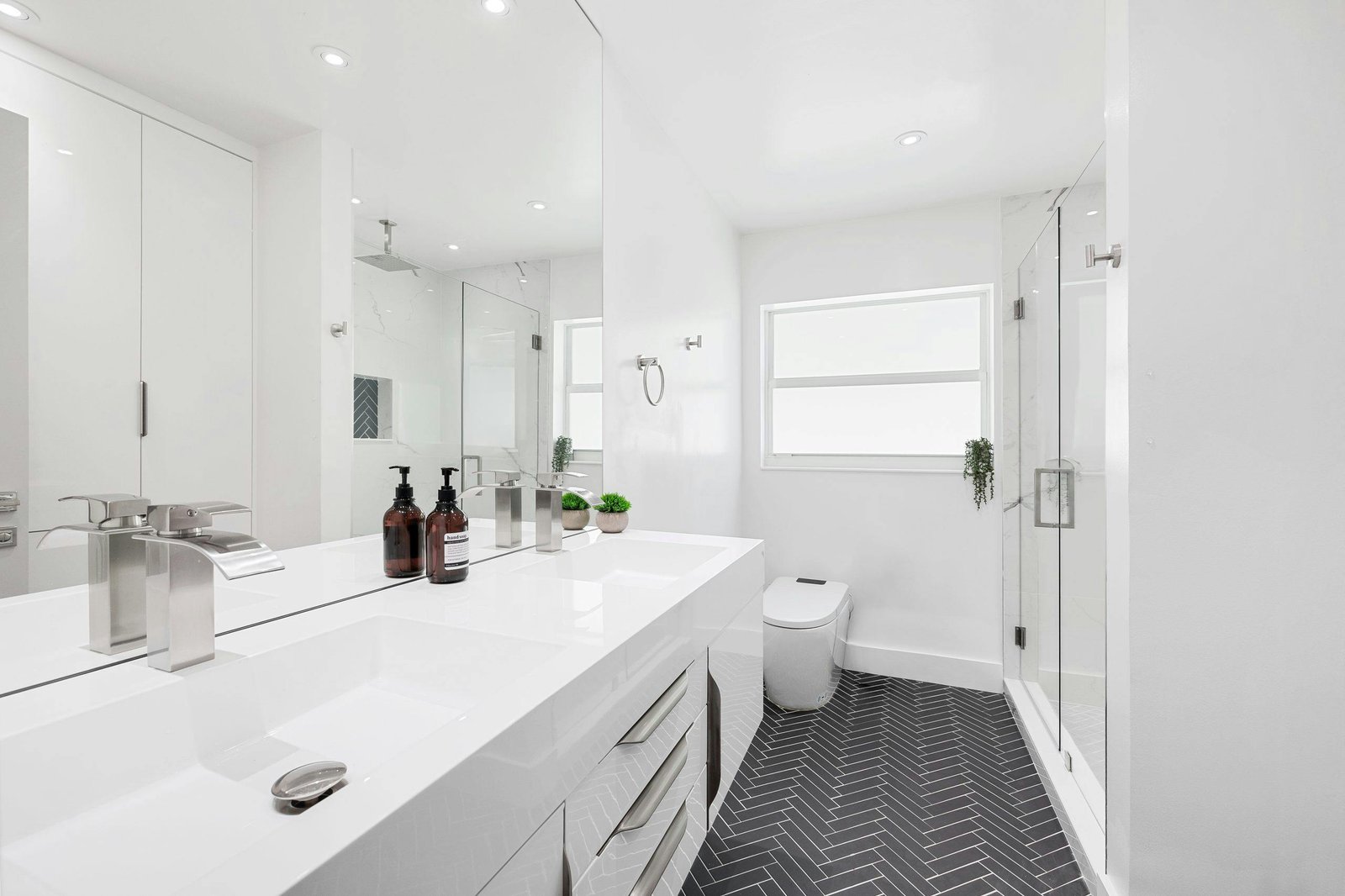
Aging in place bathroom remodel projects are reshaping how millions of homeowners prepare for safer, longer, and more independent living at home. With the U.S. population aged 65 and up growing rapidly, an accessible and thoughtfully designed bathroom is no longer a future concern—it’s a current necessity. This guide covers the essential decisions, the real costs, pragmatic steps, and genuine challenges behind an effective aging in place bathroom remodel.
Key Takeaways
- Nearly two-thirds of bathroom renovations in 2024 address aging in place needs, with grab bars and walk-in showers now industry standard features.
- The median bathroom remodel cost reached $15,000 in 2023, with senior-focused accessibility upgrades often eligible for grants or low-interest loans.
- Overlooking small practical details during remodels—like non-slip flooring and bench installations—can lead to future safety hazards and higher expenses.
- What Is an Aging in Place Bathroom Remodel and Why Does It Matter?
- Step-by-Step Guide to an Aging in Place Bathroom Remodel
- Advanced Analysis and Common Pitfalls
- Conclusion
- Frequently Asked Questions
What Is an Aging in Place Bathroom Remodel and Why Does It Matter?
An aging in place bathroom remodel is a renovation focused on adapting bathrooms so older adults can safely and comfortably stay in their homes as they age. The idea goes significantly beyond basic style upgrades—it’s about anticipating and solving mobility, safety, and accessibility challenges before they become emergencies.

Recent U.S. studies report that 64% of homeowners now focus on special needs during bathroom renovations in 2024, with 93% of remodels including grab bars as a standard safety feature. This surge is driven largely by the sharp rise in the over-65 population, which now exceeds 61 million and accounts for a growing share of the remodeling industry. Source.
Why does this matter? Slips and falls are the leading causes of bathroom injuries for seniors. A well-planned aging in place bathroom remodel—featuring universal design, non-slip materials, and accessibility fixtures—is proven to reduce these risks and increase independence. For many families, it also means delaying or avoiding expensive assisted living arrangements.
Industry trends and practical home improvement insights (such as those found in our guide on essential smart home upgrades) show that forward-thinking designs now result in higher resale value and a much safer environment for current and future needs.
Step-by-Step Guide to an Aging in Place Bathroom Remodel
Planning an aging in place bathroom remodel requires a clear, actionable process so you don’t miss critical safety features or budget-busting details. Here are the essential steps:
- Identify Key Problem Areas: List trip hazards, hard-to-reach controls, and any existing accessibility obstacles. Pay attention to curbs, shower thresholds, and slippery floors.
- Budget Realistically: As of 2023, median bathroom remodel costs range from $6,000 (small bathrooms, minor changes) to over $20,000 for major upgrades including showers and full ADA-compliance. Check if your state offers rebates or low-interest financing for accessibility upgrades (details here).
- Choose Universal Design Features: Prioritize walk-in/curbless showers, secure grab bars, non-slip flooring, lever handles, hand-held showers, and bench seating. These are now standard in many 2024 homes.
- Plan for Adaptations: Leave enough open floor space for wheelchair turning and later additions—futureproofing saves money down the road.
- Select the Right Contractor: Choose professionals with direct experience in accessible or aging in place remodels, not just general bathroom contractors.
- Apply for Grants/Loans Early: Accessibility upgrades may be eligible for grants up to $7,500 or state-supported loans at about 3% APR, but funding can take weeks to secure.
- Schedule and Oversee Installation: Even small changes (like grab bar placement) should follow age- and ability-specific measurements—refer to ADA guidelines and consult with installers.
- Final Inspection and Walk-Through: Test all hardware, review with the end user, and confirm that all modifications meet both code and common-sense usability.

For even more optimization, consider integrating smart home upgrades with voice-activated lighting and leak sensors—features that boost both convenience and safety. If space is tight, don’t miss our space-saving furniture ideas to reclaim valuable bathroom real estate without sacrificing accessibility.
Finally, keep the process flexible—anticipate changes in needs, and design for the long term. For those taking a DIY route, referencing a beginner guide to wall paneling can be helpful for visual improvement, but always prioritize safety over style.
Advanced Analysis and Common Pitfalls
While the trend toward aging in place bathroom remodels is clear, the process comes with challenges that can undo even the best intentions. Here are three of the most common pitfalls along with strategies for avoiding them:
| Common Pitfall | Impact | How to Avoid |
|---|---|---|
| Cutting Costs on Key Safety Features | Skipping or downgrading non-slip flooring, grab bars, or walk-in showers to save money exposes users to serious fall risks and can invalidate insurance coverage in case of injury. | Prioritize essential features over luxury finishes. Take advantage of available grants and state support for accessibility upgrades (see details). |
| Poor Contractor Selection | Hiring pros without real experience in aging in place remodels can lead to incorrect grab bar placement or code violations, requiring costly corrections. | Request referrals and verify aging in place credentials before hiring. Always ask to see prior projects with similar goals. |
| Neglecting Futureproofing | Focusing solely on current needs results in a bathroom that quickly becomes obsolete as mobility issues worsen (for example, too-narrow doors or fixed-height toilets). | Adopt universal design principles and leave space for potential upgrades like wheelchair access or voice-controlled tech later. Our smart home upgrades guide highlights adaptable tech options. |
Many homeowners also underestimate the waiting periods for grant approval or the actual time needed for shower conversions. Additionally, some modern fixtures (like bench seats and hand-held showers) now available in the market may face shipping delays—order well in advance.
While there’s strong movement toward universal design, some style-conscious owners worry about the “institutional” look of accessibility features. Thanks to new high-end fixtures and finishes, this is less of a concern in 2024, especially if you specify modern options at the start.
Remember, your real return on investment is the safety and the prolonged independence you bring to the household. It’s also wise to consider complementary upgrades, like enhanced outdoor lighting for entrances and pathways, to further boost accessibility.

Conclusion
An aging in place bathroom remodel is one of the smartest, most impactful investments for homeowners planning to stay independent longer. As the data shows, accessibility features, non-slip innovations, and universal design are not just popular—they are quickly becoming expected. Approach each step with a solid checklist and a realistic budget for the best outcome. If you’re ready to start your aging in place bathroom remodel, connect with a certified contractor, and explore available grants to make your space both safe and stylish. Need more inspiration? Check out our articles on DIY wall paneling and latest smart home technology trends. Your safer, more independent future starts with smart preparation—take action today.
Frequently Asked Questions
How much does an aging in place bathroom remodel cost in 2024?
The median cost for a bathroom remodel is about $15,000 in 2023, with smaller projects starting around $6,000 and major upgrades exceeding $20,000. Grants and state loans can lower out-of-pocket costs for accessibility-focused renovations.
What are the most important features to include?
Critical features include walk-in or curbless showers, securely installed grab bars, non-slip flooring, bench or seat options, and easy-to-use lever faucets. Prioritize safety and accessibility in all fixtures.
Do I need an occupational therapist to plan my remodel?
It’s highly recommended to consult with an occupational therapist for a full safety audit, especially if there’s any existing or anticipated mobility limitation. Their input can prevent expensive mistakes and maximize usability.
Are there financial assistance programs for accessibility upgrades?
Yes. In 2024, some states and federal programs offer grants of up to $7,500 and low-interest loans specifically for accessibility improvements. Check eligibility and apply early, as funds can be limited.
Will these modifications reduce my home’s resale value?
No—on the contrary, modern accessibility improvements, when done with universal design and attractive finishes, often increase resale value by appealing to a broader range of buyers.
—