

Mold remediation DIY is on the minds of millions of homeowners grappling with persistent household mold. The stakes are real: hidden fungi can ruin your health, property, and wallet if not handled right. Here’s the evidence-based, no-nonsense approach to solving mold issues yourself—with exactly what works, what doesn’t, and when to call in the pros.
Key Takeaways
- Nearly half of US homes show signs of mold or moisture—most cases can be tackled with careful DIY, but ignoring proper safety or skipping steps backfires fast.
- Stopping water intrusion and complete removal—not just surface cleaning—are critical for lasting success.
- DIY isn’t always enough: if mold keeps coming back, spreads rapidly, or affects health, it’s time to get professional help.
- The Core Concept: What Is DIY Mold Remediation and Why Do It?
- Step-by-Step Guide: How to Remediate Mold Yourself
- Advanced Analysis & Common Pitfalls
- Conclusion
- FAQ
The Core Concept: What Is DIY Mold Remediation and Why Do It?
DIY mold remediation means identifying, removing, and preventing mold growth in your home without hiring a professional. Why go DIY? Nearly half of all homes show mold or moisture problems, and taking quick action can often prevent more costly repairs, property value loss, and health complications. Most household mold issues start with small leaks or high humidity. When caught early, safely handling them yourself is both realistic and cost-effective.
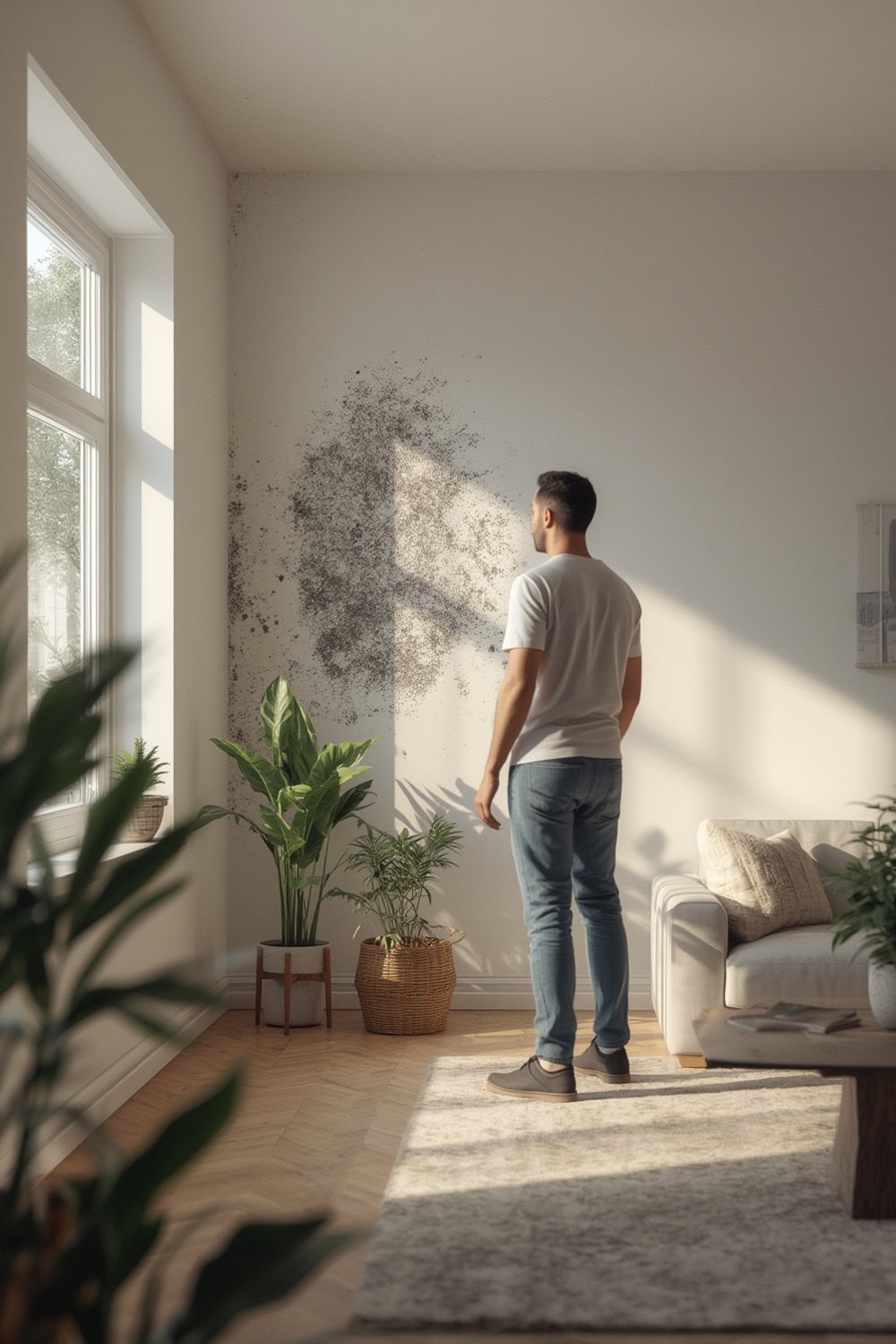
However, scientific agencies like the CDC stress that “all mold—regardless of type—requires removal.” There is no safe category of indoor mold. If you ignore the root moisture source, use improper protocol, or tackle bigger problems than you can safely handle, you risk making things worse, not better.
Done right, mold remediation DIY keeps your air healthier and your home’s value intact. The next section walks you, step by step, through the safest and most effective approach.
Step-by-Step Guide: How to Remediate Mold Yourself
Before you start, gather your gear: N95 mask, gloves, goggles, plastic sheeting, tape, non-ammonia cleaner or detergent, scrub brushes, disposable rags, buckets, and a HEPA vacuum if possible. Having everything in reach avoids accidental contamination spread.
- Isolate the Area
Seal off vents, doors, and passageways using plastic sheeting and tape. Close windows during cleaning to keep spores from blowing all over your property. - Put on Proper PPE
Don your N95 mask or respirator, non-porous gloves, and goggles. Wear old clothes you can toss after, if you suspect heavy contamination. - Remove and Discard Porous Materials
Items like drywall, ceiling tiles, carpet, and insulation cannot be cleaned sufficiently once deeply molded. Cut out affected pieces. Double-bag debris immediately for safe disposal. - Clean Remaining Surfaces Correctly
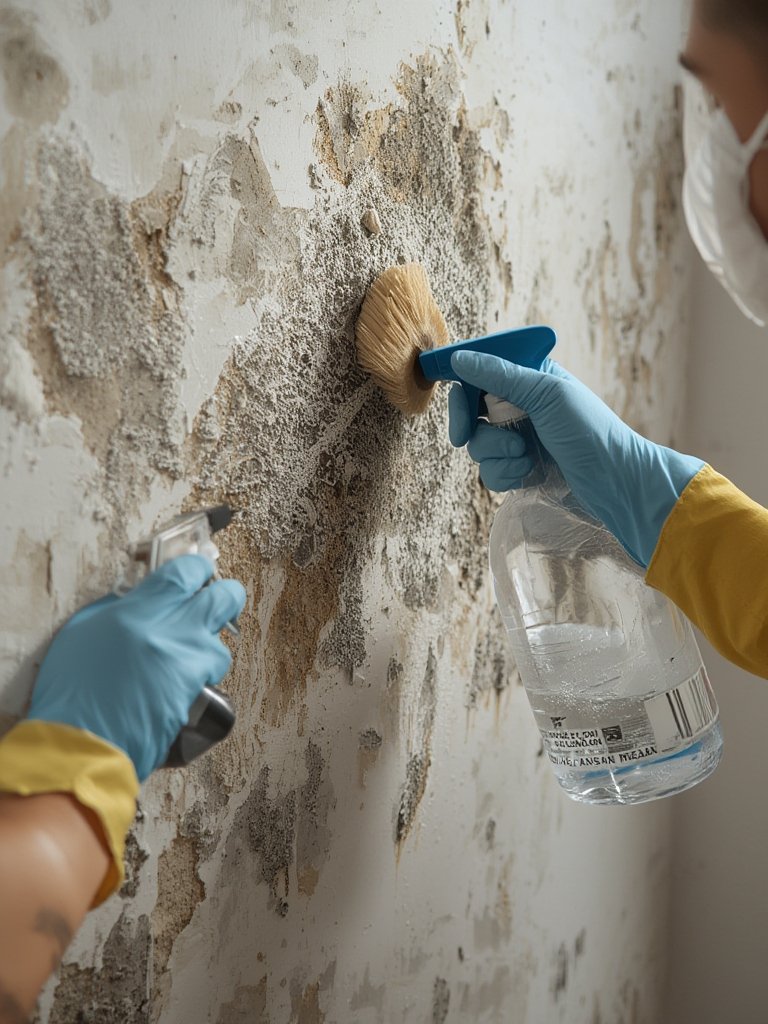
Scrub nonporous surfaces (tile, metal, sealed wood) with detergent and water. Avoid mixing bleach with other chemicals. For minor surface mold on painted walls or ceilings, lightly spray with a water-detergent mix, wipe with disposable cloth, and repeat until residue is gone. - Thoroughly Dry All Surfaces
Use fans, open windows (once cleaning’s done), and dehumidifiers to dry the area as quickly as possible. The faster it dries, the lower the odds of mold coming back. - HEPA Vacuum and Final Wipe-Down
Vacuum nonporous or semi-porous surfaces and floors with a HEPA-filtered vacuum. Do a final wipe-down with clean, damp rags. - Apply Mold Resistant Paint or Encapsulant (Optional)
Only once the area is totally dry and all mold is gone. Pick a quality mold resistant paint or encapsulant—but understand even the best products are not a cure-all if moisture returns or prep was poor. Mold develops rapidly in damp conditions.
If you’re ready to upgrade your home after remediation, consider tackling other projects, such as DIY wall paneling for a refreshed, mold-resistant environment or explore automate humidity and air quality control to help automate humidity and air quality control.
- Don’t: Use straight bleach on porous surfaces (it won’t penetrate and may worsen some damage).
- Don’t: Paint or encapsulate before all visible mold is gone—this can just trap live mold and worsen air quality.
- Don’t: Panic over mold color: the CDC emphasizes that “all mold in the home requires removal, not testing.”
This step-by-step process will eliminate small to medium mold patches in basements, bathrooms, and bedrooms provided you follow all safety and removal steps with patience and care.
Advanced Analysis & Common Pitfalls
Real-world evidence shows that even determined DIYers often run into avoidable failures. Understanding these is key to a mold-free outcome that lasts.
| Pitfall | Outcome | Prevention |
|---|---|---|
| Cleaning without fixing moisture | Mold returns in days or weeks | Always dry and repair leaks first |
| Trying to “encapsulate” live mold | Health risk, hidden decay, spreading spores | Never paint over mold; remove visible growth completely |
| Inadequate PPE | Respiratory symptoms, skin/eye irritation | Wear N95 mask, gloves, goggles during all steps |
| Improper cleanup of soft furnishings | Continued odor and reinfestation | Remove and dispose of mold-infiltrated porous items |
| Ignoring when to call professionals | Unchecked mold spreads to structure or HVAC | If more than ~10 square feet, persistent health problems, or deep wall/ceiling penetration, stop DIY |
Research highlights several knowledge gaps in DIY strategies. Studies do not provide a single mold species or patch size threshold for professional call-in, so as a rule of thumb: if you see mold patches larger than a bath towel, suspect water inside surfaces (not just on them), or have unrelenting musty smells after cleaning—consult a pro. The EPA and CDC agree: health comes first, and sampling isn’t a substitute for removal.
Sadly, there is little independent information on the long-term performance of encapsulants or so-called “mold-proof paints.” Many DIYers are surprised to find that products claiming permanent protection cannot prevent growth if humidity remains high or leaks persist. In new or remodeled spaces, up to 30% can still have mold problems.
For better indoor air and fewer surprises, add a HEPA air purifier after remediation. You can also explore holistic improvements, like smart tech for humidity control (whole-home backup systems and smart home hubs) to catch dampness early, preventing mold in the first place.
Conclusion
DIY mold remediation is achievable for most small outbreaks if you address the moisture cause, use the right removal process, and don’t cut corners. The data is clear—mold is overwhelmingly common, but it is preventable and manageable. Take action early to protect your household health and property value.
Still unsure or overwhelmed by the scope? If your mold problem grows beyond what you can safely remove—or you keep getting sick—don’t wait. Reach out to a qualified professional to safeguard your home for good.
Want to go further with home improvements? Check out space-saving furniture ideas or transform your yard with outdoor lighting for a healthier, more livable space.
Remember: mold remediation DIY is safest and most effective when you act fast, stay safe, and know when to get help.
FAQ
Can I use bleach for DIY mold remediation?
Bleach can kill some surface mold on nonporous materials but does not penetrate porous surfaces. The CDC and EPA advise using soap or detergent and water instead. Bleach can also emit fumes and may damage some surfaces.
Is it safe to paint over mold with mold-proof paint?
No. You should never paint or encapsulate over active mold. Always remove all visible mold and fully dry the area before applying mold-resistant coatings.
When should I stop DIY and call a professional?
If the affected area is larger than 10 square feet, there is heavy contamination inside walls or ceilings, or if mold returns repeatedly, contact a certified mold remediation specialist.
Does household mold always cause health problems?
Not everyone experiences symptoms, but mold exposure increases risks of respiratory issues, especially for those with allergies, asthma, or immune weakness. According to the EPA, building dampness and mold can increase risk by up to 50 percent.
Should I get my home’s mold tested?
Most government experts, including the CDC, do not recommend mold testing in homes. Focus on identifying and removing all visible mold and controlling moisture instead.
—