

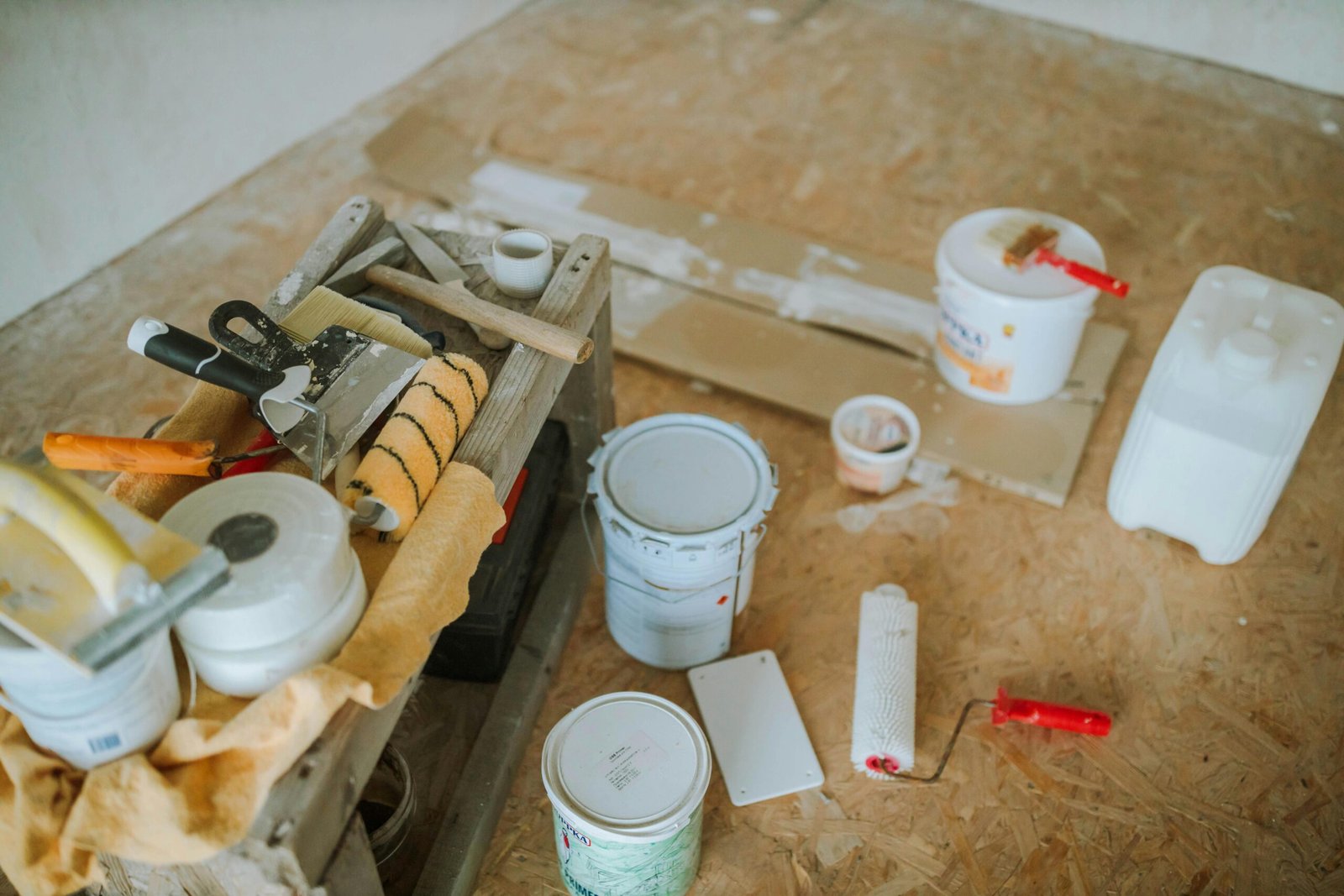
Tariff proof home renovation is quickly becoming a must-know strategy for homeowners and contractors facing skyrocketing remodeling costs in 2025. If you’re looking to protect your budget from lumber and steel price hikes, understanding material sourcing and project planning is essential for every modern remodel.
Key Takeaways
- Home renovation materials—especially lumber and steel—have jumped 34% since 2020, with tariffs contributing up to $10,900 more per project.
- Projects relying on imported cabinetry, lighting see the biggest cost spikes, but U.S.-sourced alternatives can help.
- Contractors and homeowners both report difficulties sourcing true “Buy American” products, and no region is immune from tariff ripple effects.
- What Does Tariff Proof Home Renovation Mean?
- How to Make Your Renovation Tariff Proof: Step-by-Step
- Advanced Analysis and Common Pitfalls
- Conclusion
- Frequently Asked Questions
What Does Tariff Proof Home Renovation Mean?
Renovating in 2025 is harder than ever. When tariffs on imported lumber soared to 45% and steel to 50%, supply chains were hit across the board. Whether you’re replacing kitchen cabinets or building an addition, price shocks are everywhere—especially for projects dependent on Canadian softwood or imported steel components.
Tariff proof home renovation is about minimizing exposure to these sudden material cost jumps. This means understanding which materials, suppliers, and project types are most vulnerable, and then adjusting your planning and sourcing to avoid the worst cost spikes. For example, focusing on U.S.-produced steel, leveraging domestic lumber, or reworking scope to sidestep imported cabinetry could be essential to keeping your budget under control.

Costs now climb faster than inflation—up 34% for all building materials since 2020, per industry reports. Homeowners are pausing projects, and contractors are forced to re-bid jobs monthly. The DIY wall paneling guide has also seen strong interest lately from those seeking to reduce costs.
How to Make Your Renovation Tariff Proof: Step-by-Step
Here’s a practical blueprint for any homeowner or renovation manager looking to stabilize costs and avoid tariff pain.
-
Assess Your Project’s Tariff Exposure
List all major materials in your renovation. Highlight lumber-heavy areas (framing, decking, cabinetry) and steel/aluminum products (nails, metal framing, exterior panels). Research which ones can be affected by current tariffs—steel and steel mill products are up 5-22% this year. -
Source Domestic Materials First
Whenever possible, select U.S. produced lumber, steel beams, structural metal, and even cabinetry. Since about 75% of U.S. softwood supply is domestic, ask for the source before you buy. For framing or structural needs, prioritize domestic steel to avoid the largest new 50% tariffs. (If you’re interested in maximizing space indoors, check these small home ideas.) -
Rethink Your Renovation Scope
Reduce reliance on tariffed goods: refinish existing cabinetry, use engineered wood panels, or select projects that are lower in imported components. Consider upgrades like smart home devices that are less vulnerable to global material prices and still improve livability. -
Plan for Price Updates and Supply Delays
Lock in quotes with a time frame, monitor input price changes, and expect substitutions on backordered components. Retain flexibility on product brands and specifications. Up-to-date construction cost reports help you set expectations. -
Request Proof of Origin
Always ask for written certification or invoices verifying the domestic origin of critical materials. Many contractors will provide documentation so you can avoid accidental tariff charges. -
Focus on Energy-Saving Upgrades
Some upgrades, like battery backups or improved insulation, rely less on steel or lumber and may have more stable pricing.

Combining these practices makes your renovation more resistant to unexpected cost escalations—think of it as building in a buffer, not just buying what’s cheapest today.
Advanced Analysis and Common Pitfalls
Even the best tariff proof plan can run into challenges. Here’s what to expect in 2025, plus how U.S. sourced materials stack up:
- Ripple Effects: Even domestic steel costs are rising, since redirected demand from imports has pushed up U.S. prices by 20% per ton.
- No Regional Relief: There’s no real difference state-to-state in finding untariffed lumber or steel—Canada supplies 85% of imports, so costs are rising nationwide.
- Material Scarcity: Electrical parts, transformers, and specialty metal products are hard to find, not just more expensive. Builders often report project slowdowns and forced delays.
- Performance and Durability Unknowns: There’s little data on whether U.S.-made alternatives match imported products for longevity or performance, so expect to make choices on price and availability—sometimes with limited details.
- Supply Chain Documentation: Verifying American origin can be tricky. Many suppliers mix domestic and imported inventory; you might need extra persistence and paperwork.
| Material/Project | 2020 Cost | 2025 Cost w/ Tariffs | % Increase | Tariff Vulnerability |
|---|---|---|---|---|
| Framing Lumber | $450/MBF | $652/MBF | +45% | High – import tariffs |
| Domestic Steel (per ton) | $900 | $1,080 | +20% | Medium – indirect tariff impact |
| Cabinetry (imported) | $6,000 | $6,600 | +10% | High |
| Fabricated Metal Panels | $3/sq. ft. | $3.66/sq. ft. | +22% | Very High |
| Lighting Fixtures | $1,200 | $1,350 | +12.5% | Medium |
Builders and homeowners must navigate these uncertainties. According to market sources, more than 60% of builders report higher costs and construction slowdowns. Even outdoor lighting installations have become more expensive due to fixture price hikes.

Conclusion
Controlling costs in 2025 means making every effort to build a truly tariff proof home renovation. No strategy is immune, but combining domestic sourcing, project scope optimization, and certification of American-made materials can buffer you from the steepest spikes. Keep realistic timelines and budgets, and learn from the new rules of renovation—because the old “cost per square foot” doesn’t apply anymore.
Ready to beat tariff inflation? Start your project plan today, or explore more DIY guides—for example, check our DIY wall paneling guide or learn about essential smart home upgrades to maximize home value during uncertain times.
Frequently Asked Questions
What home renovation projects are most affected by tariffs in 2025?
Projects relying heavily on imported lumber, steel, cabinetry, appliances, and lighting see the highest cost spikes—usually 5–22% above 2020 prices.
Is it possible to entirely avoid tariff impact on my renovation?
No renovation is entirely immune, but sourcing U.S.-made materials and reworking scope away from import-dependent areas can soften the blow.
How much more expensive is a typical home renovation in 2025?
On average, material costs are 34–40% higher than pre-tariff 2020 levels. Tariffs add up to $10,900 for new homes and 5–15% more for common renovations.
Are domestic materials always better quality than imports?
Quality varies. While domestic materials avoid tariffs, direct comparative performance and durability data is often missing, so ask for specs before you buy.
Where can I find more ideas for tariff resistant remodeling?
Explore guides like space-saving furniture ideas and the whole home battery backup guide for inspiration on how to optimize projects with less tariff impact.