

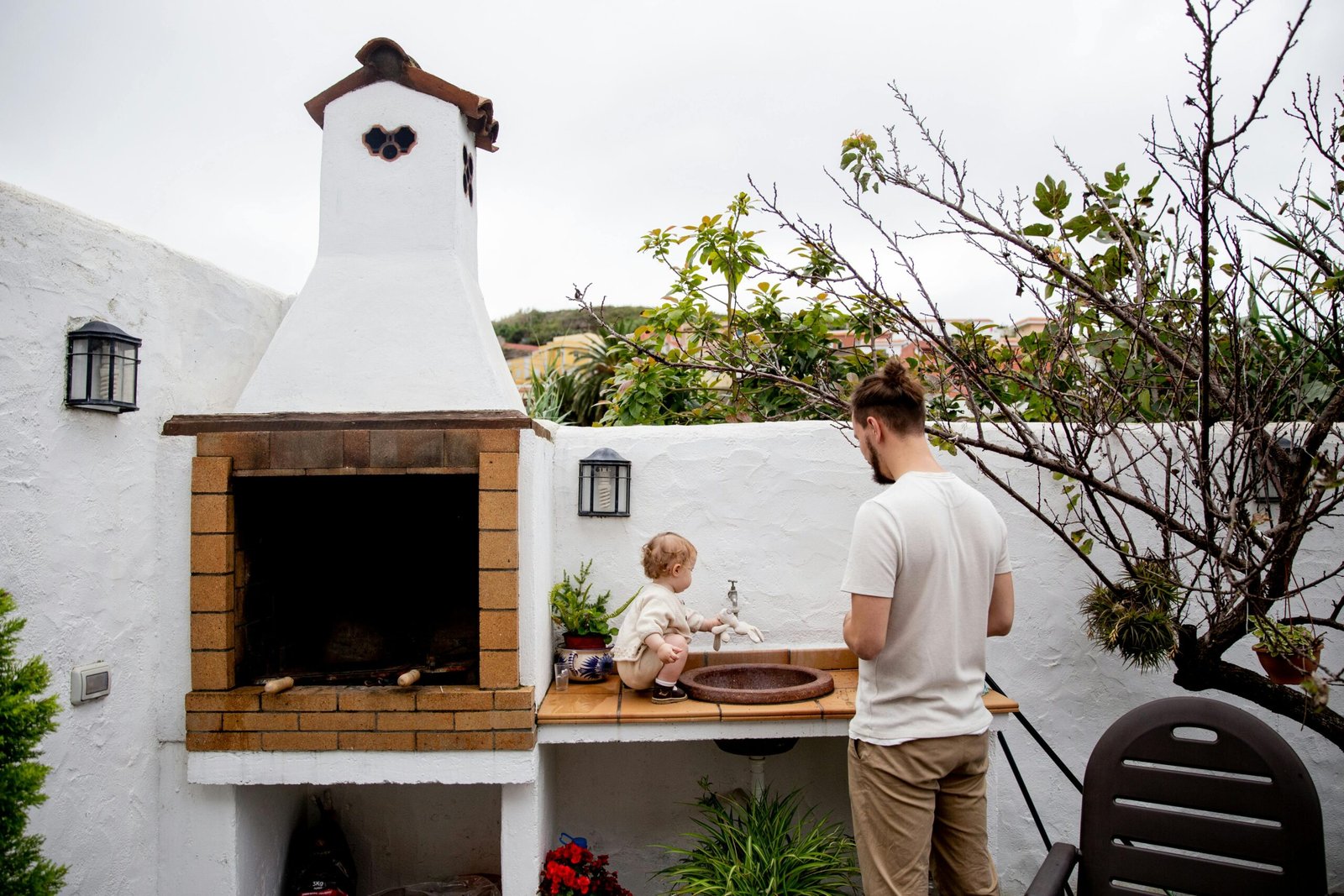
- Outdoor Kitchen Installation Cost: 9 Expert Saving Tips
Outdoor kitchen installation cost in 2024 is anything but straightforward. Prices swing thousands of dollars based on location, features, and whether you choose prefab or fully custom designs. If you’re planning to build a backyard cooking oasis, it’s vital to get granular on what affects cost so you stay on budget—and avoid regrets later.
Key Takeaways
- Outdoor kitchen installation cost in the US averages $13,000 to $16,500, but can range from $5,000 for a basic kit to $52,000 or more for custom luxury builds.
- Labor and materials each drive 30-50% of costs. Prefab kits ($250-$475/linear foot) offer solid value compared to custom builds ($320-$670/linear foot).
- Planning for permits, utilities, and long-term durability is essential—cutting corners may lead to expensive problems and code compliance issues.
- Understanding Outdoor Kitchen Installation Cost
- How to Budget and Build an Outdoor Kitchen: Step-by-Step
- Advanced Cost Analysis and Common Pitfalls
- Conclusion
- Frequently Asked Questions
Understanding Outdoor Kitchen Installation Cost
Building an outdoor kitchen blends the excitement of open-air cooking with a real test of your budgeting skills. The total cost is shaped by choices in design, materials, labor, and local requirements. On average, American homeowners spend between $13,000 and $16,500 on their outdoor kitchen install, with total ranges from $5,000 for a basic prefab kit all the way up to $52,000 or more for high-end, fully customized spaces (source, source). But what determines where your project lands on this spectrum?
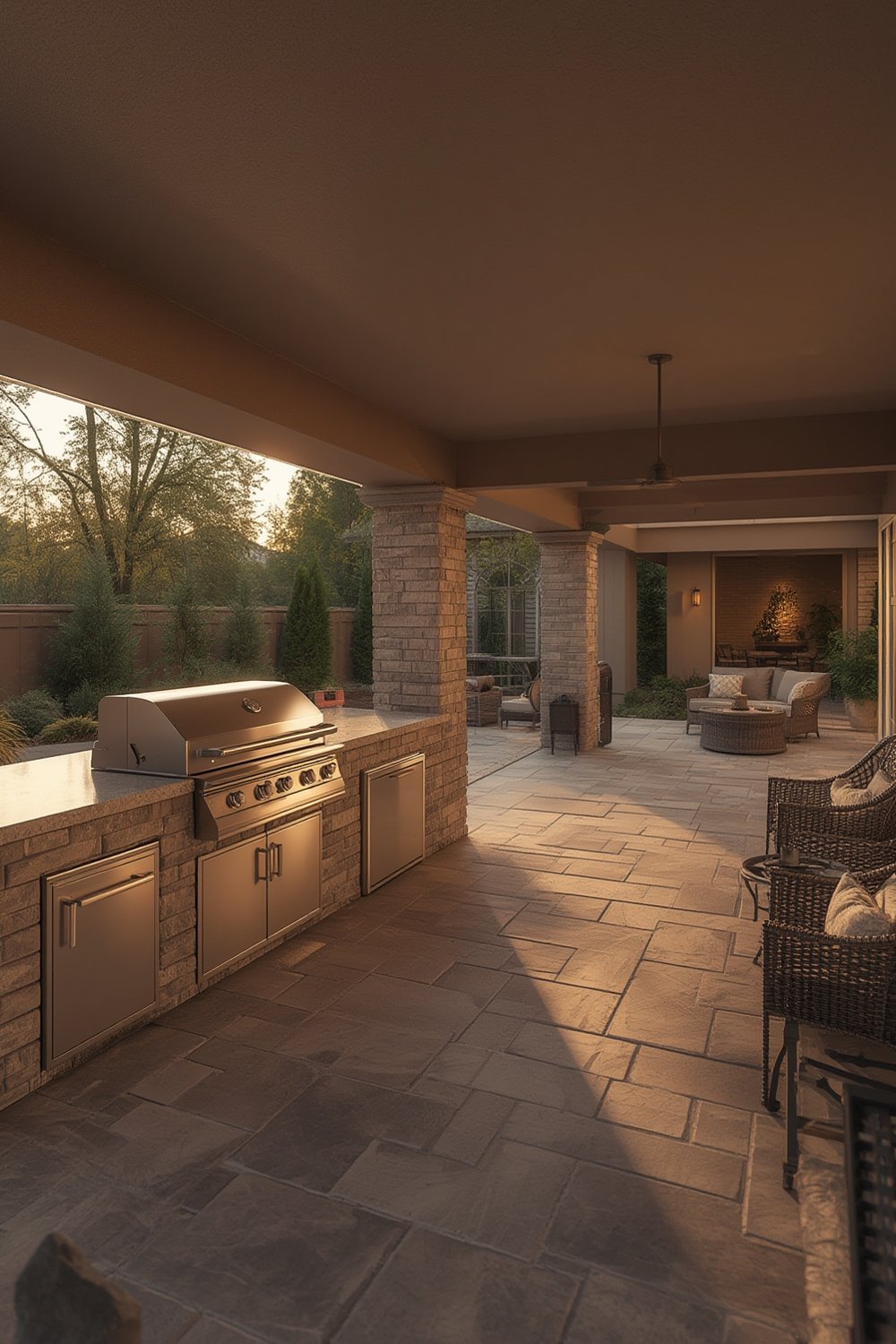
Expect to pay $33 to $130 per square foot depending on the layout and whether you go with a built-in grill patio or more advanced appliances and features (source). For a 200 to 300 sq ft space (the sweet spot for a prep, cook, and dining area), that’s $6,600 to $39,000.
Labor makes up 30-50% of total costs: basic assembly for prefab kits can be $650-$1,500, while complex custom installs with cabinetry, hoods, and utilities push labor to $2,000 or more. Materials cover framing ($200-$800), cabinetry ($3-$45/sq ft), countertops ($15-$185/sq ft), and appliances such as built-in grills ($100-$5,000 each), bringing total appliance spend to $1,500-$7,000 for most kitchens (source).
Prefab modular kits cost $250-$475 per linear foot and work well for 100 to 300 sq ft spaces. They’re a practical, budget-friendly option versus custom builds ($320-$670 per linear foot, often $20,000 or more start to finish). But keep in mind—custom designs offer greater flexibility and aesthetics, while prefab kits make installation and cost control easier.
If you’re dreaming of entertaining on a budget, you can check out space-saving furniture ideas to maximize your patio and yard setup alongside your outdoor kitchen.
How to Budget and Build an Outdoor Kitchen: Step-by-Step
- Define Your Space and Goals
Start by measuring your outdoor area. Identify how you’ll use the kitchen (grilling, dining, prep, storage).
- Set a Realistic Budget
Base your range on project type—$5,000-$17,000 for prefab kits, $13,000-$50,000+ for custom builds. Don’t forget labor (30-50%), permits, and utilities.
- Choose Between Prefab and Custom
Prefab modular kits are quicker and cost less; custom kitchens offer more flexibility but cost more for features and finishes.
- Pick Durable Materials
Focus on weatherproof cabinets, stone or concrete countertops, and stainless appliances to avoid future repair bills.
- Hire Professionals (When Needed)
Plumbing and electrical work usually require licensed pros for code compliance and safety. If you want to expand your “smart” setup, see these essential smart home upgrades for modern features.
- Obtain Permits and Prepare Utilities
Check local codes for outdoor kitchens. Permits and hidden infrastructure costs can run from $250-$2,000 or more.
- Plan for Lighting and Ambiance
Incorporate lighting early. See outdoor lighting ideas for inspiration.
- Expect and Manage Hidden Costs
Always set aside 10-15% extra for unexpected issues, especially if your plans change during install.
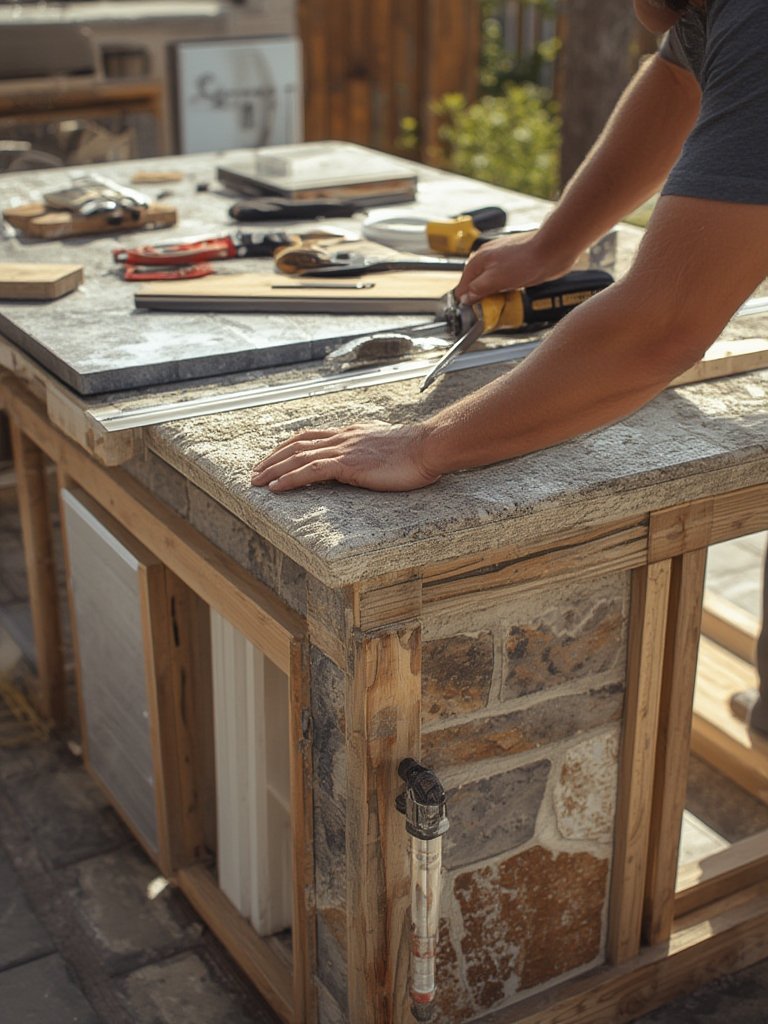
If you like to handle projects yourself, check out this DIY paneling guide—its beginner tips also apply to organized outdoor builds.
Advanced Cost Analysis and Common Pitfalls
Not all outdoor kitchen installations run smoothly. Many homeowners fall into the same traps—either underestimating regional labor differences, missing hidden costs, or over-investing in materials that don’t last. Here’s what you need to know before breaking ground:
| Type | Cost per Linear Foot | Total Project Range (200-300 sq ft) |
|---|---|---|
| Prefab Kits | $250-$475 | $5,000-$17,000 |
| Custom Builds | $320-$670 | $13,000-$50,000+ |
Hidden Costs and Major Pitfalls
- Regional Cost Swings: Labor and materials can be much higher in urban/affluent markets. Cincinnati projects reportedly range from $10,000 to $60,000 depending on finish—get multiple quotes (source).
- Permits and Utility Work: Overlooked plumbing or wiring, plus permit fees, can add $250-$2,000 or more late in the project. Always check codes up front (source).
- Poor Material Selection: Choosing cheap cabinets or counters to “save money” often results in early wear, rust, or damage—especially in rainy, humid, or freeze-thaw environments. Premium stonework lasts, but is expensive.
- No Long-term Plan: Not budgeting for maintenance or future appliance upgrades reduces long-term ROI. Outdoor kitchens do add home value, but only if they’re built to last and function all seasons.
- Ignoring Lighting and Safety: Inadequate lighting and no code-compliant GFCI outlets rank high in regret surveys—bring in an electrician early.
- Missing Integration Opportunities: Skipping smart appliances, security features, or space optimization can make your kitchen feel out of date quickly. Explore AI home design tools for planning the perfect layout and feature set.
Where prefab shines is cost predictability. Custom builds cost more upfront but offer longer lifespans and more options—provided you work with a reputable installer and choose durable, weatherproof components. Maintenance costs are rarely discussed online, but factor at least a few hundred per year for cleaning, repairs, and eventual appliance replacement.
Conclusion
Outdoor kitchen installation cost depends on how bold, fast, and bespoke you want to go. With averages in the $13,000 to $16,500 range but totals that can reach $52,000 or more, mapping out a clear scope—and sticking to proven budgeting strategies—will deliver the outdoor retreat you envision without nasty surprises. Always factor in labor, permits, and material longevity when planning your outdoor kitchen installation cost.
Ready to design your own outdoor cooking paradise? Compare prefab kits, get local quotes, and prioritize lasting value. For more ways to improve your space, check out our guides on essential smart home upgrades and aging-in-place remodels.
Frequently Asked Questions
What is the average outdoor kitchen installation cost in 2024?
The national average is between $13,000 and $16,500, but basic projects can be $5,000 while luxury custom jobs may exceed $50,000. The cost depends mostly on kitchen size and feature selection.
Is it cheaper to build a custom outdoor kitchen or use a prefab kit?
Prefab kits are usually cheaper at $250-$475 per linear foot, offering modular setup and some customization. Custom builds cost $320-$670 per linear foot and allow for more flexible design but come at a higher price.
Do I need permits for an outdoor kitchen installation?
Most permanent outdoor kitchens require building permits, especially if they include plumbing or electrical work. Permit fees and utility work can add $250-$2,000 or more to your total cost.
How can I keep my outdoor kitchen installation cost down?
Limit the square footage, use prefab kits, buy discounted appliances off-season, and hire professionals only for jobs that require permits or code compliance. Always build in a 10-15% buffer for unexpected costs.
What materials last longest for outdoor kitchen cabinetry and counters?
Look for weatherproof stainless steel, masonry, or premium stone for cabinetry and countertops. These materials cost more upfront but stand up to harsh weather and require less maintenance.